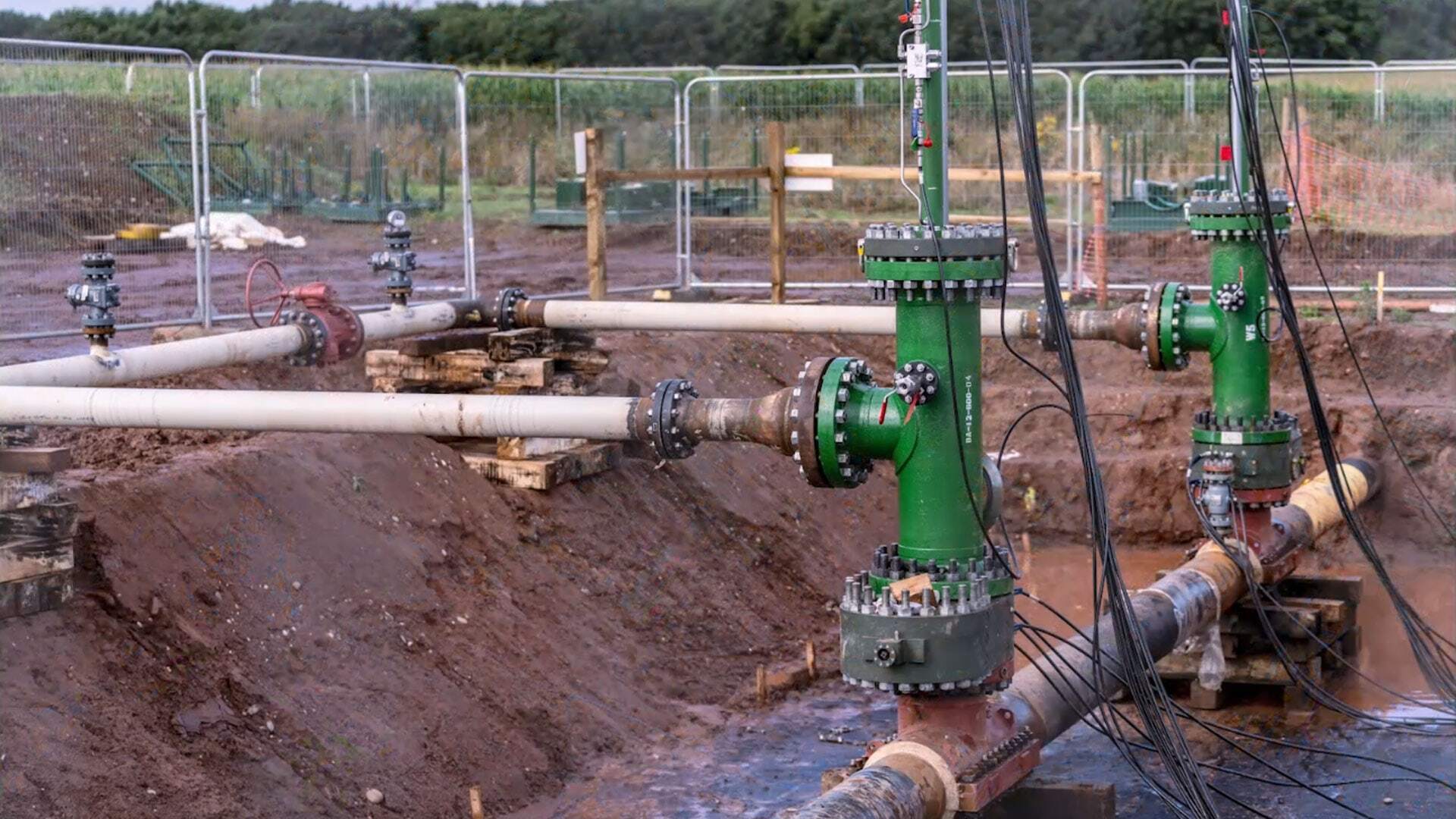

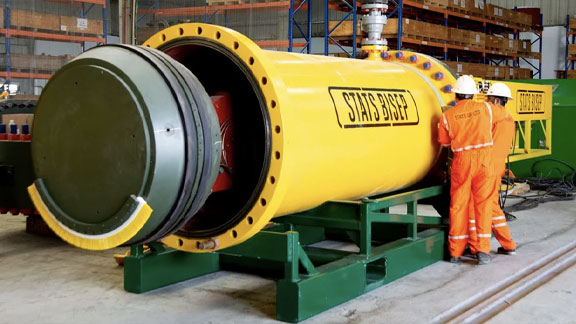
12in BISEP DS, Cadent, UK
STATS Group logo

Newsletter

June 2025

Quarterly Review

Advanced Line Stop Solutions in Critical Repair & Maintenance

Hi there.

Maintaining the seamless flow of global energy is no small task—especially when operational shutdowns aren’t an option. As pipeline infrastructure grows more complex and critical to energy supply, operators are actively seeking safer, more efficient technologies to carry out essential maintenance and modifications without interrupting service.

Conventional line stopping technology with passive lip seals are used for live pipeline intervention, but these systems often require multiple hot taps and the lip seal technology posed several design-related safety limitations. In today’s environment, where safety, efficiency, and assurance are paramount, a better solution is not just preferred—it’s essential.

That’s why many forward-thinking operators are turning to 21st-century isolation solutions like STATS Group’s BISEP®. This patented technology with dual, leak-tight elastomer seals provides verified double block and bleed isolation through a single hot tap, while flow continues through an integrated bypass, offering a step change in safety and reliability.

Unlike alternative line stop technology, BISEP delivers:

  • Dual, fail-safe seals energised by pipeline pressure and backed by fully independent hydraulic activation
  • Continuous, real-time monitoring of isolation status
  • A verifiable “Zero Energy Zone” between seals, allowing safe breaking of containment, welding and testing with full confidence

Operators worldwide are embracing BISEP to improve safety, eliminate uncertainty, and enable precise execution of critical live intervention work.

Learn more about how BISEP can support your operational goals—while reducing risk and maximising uptime.

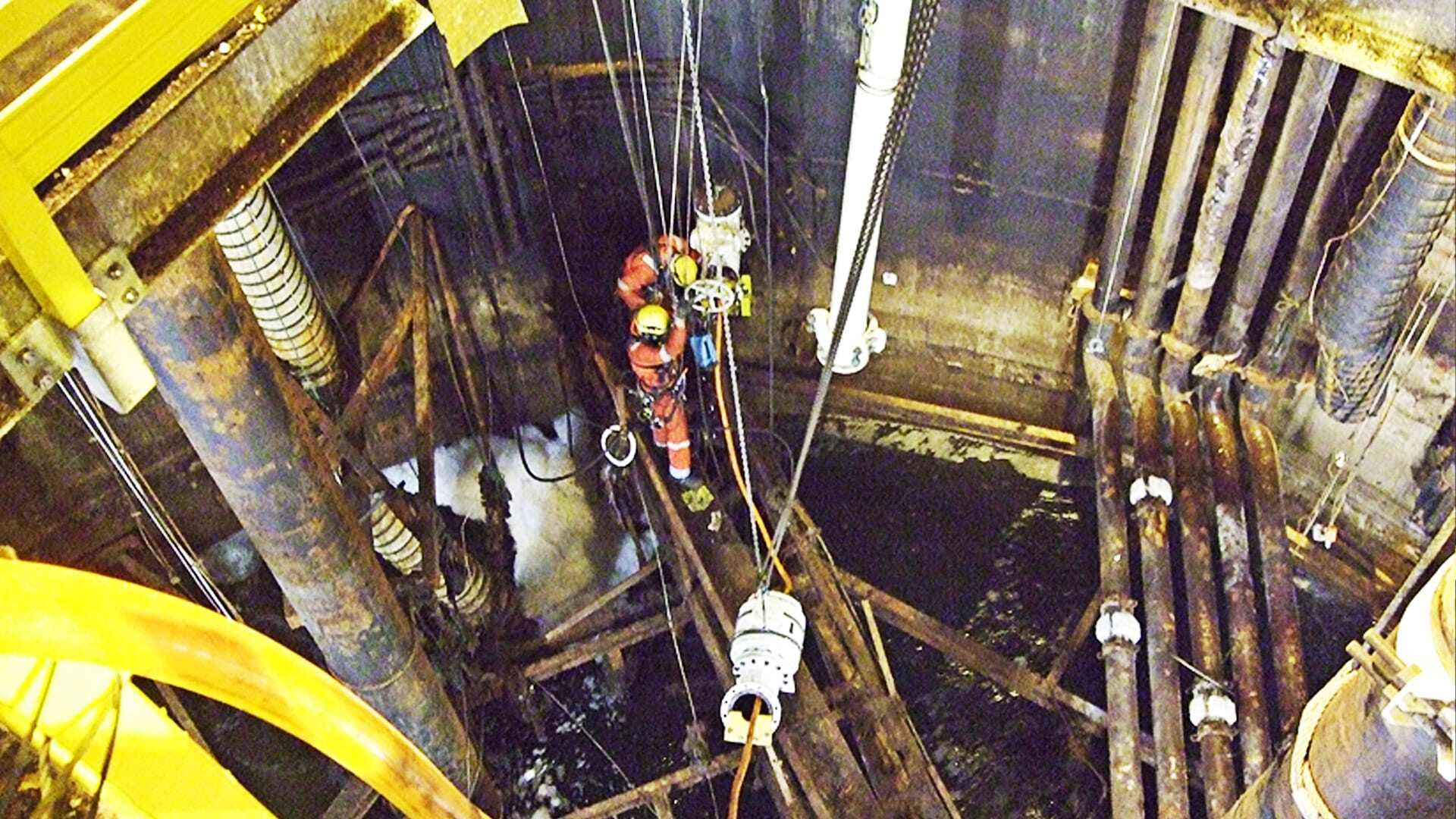
Team working on Cell Fill Line replacement

Featured Case Study

More Hot Tapping was used on this project than in the whole of Shell’s previous history

The BISEP was developed in the early 2000’s for Shell, as an engineered solution to deploy a hot tap installed double block and bleed isolation for the removal and replacement of thirty-two 10” cell fill lines in the utility shafts of the Brent Bravo and Delta platforms. During its execution, it was the single largest North Sea project undertaken by Shell. Here's how we did it.
Read Case Study

Featured Webinar

Reducing methane emissions during pipeline Repair and maintenance

Play video

This webinar recording takes the viewer through one of our case studies to demonstrate the use of STATS BISEP for a critical pipeline repair and maintenance project. Employing BISEP double block and bleed isolation technology, we achieved a leak-tight and emission-less isolation for our client, and further, supported them in achieving their methane emissions reduction goal. This approach allows operators to complete critical maintenance and repair activities safely without the need to flare or vent methane into the atmosphere.

Case Studies

Meeting the isolation challenge: bisep in action

See All Case Studies

If you're pushed for time, we've pulled out a few examples that demonstrate real-world examples of the BISEP tool in use – geared towards safe and effective isolation projects that saved our clients time and money.
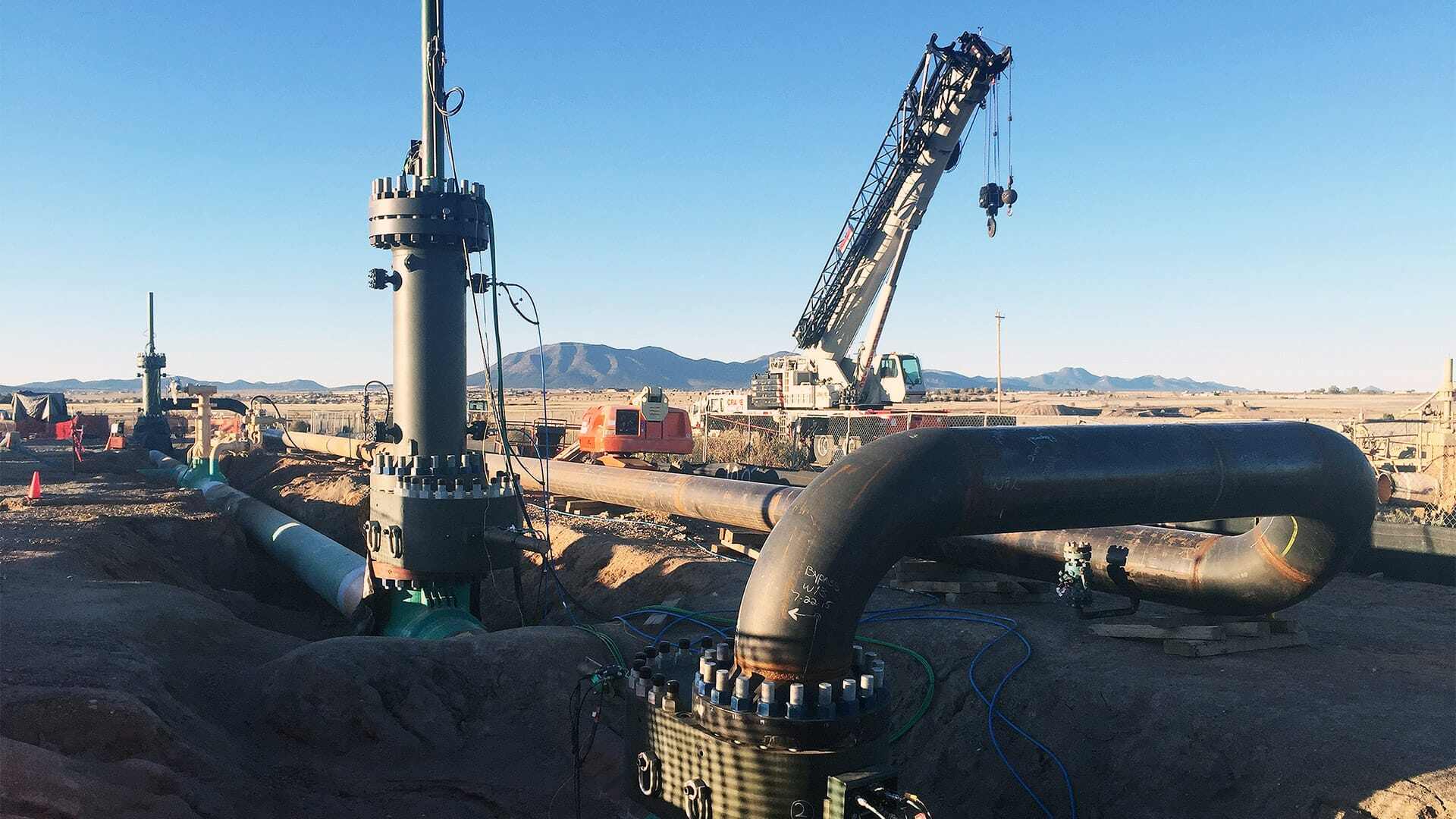
30in BISEP cw bypass with pipelines coming out of the ground

Featured Case Study

30" Dual BISEPS, isolation of liquid cO2 pipelines

Location: USA

STATS is the only company in the world with an extensive track record of providing hot tapped isolation of high-pressure CO2 pipelines, operating at up to 138 bar. This hot tap installed double block & bleed isolation of high pressure 30” liquid CO2 pipelines facilitated the safe retrofit of launcher and receiver stations. Production continued uninterrupted through a temporary bypass. Isolating liquid CO2 pipelines is challenging, and this project required careful control of CO2 phase-change during venting, with the appropriate selection of steel and elastomer materials to accommodate CO2 service.
Read Case Study

Largest Subsea BISEP & longest isolation – 1 year

Location: Middle East

There are many reasons for isolating a section of subsea pipeline. A degraded or corroded section may require removal to increase the operating life of a pipeline. Other reasons for compromised pipeline integrity include dents or gouging from external mechanical damage or highly stressed deformations. Often, even well-managed pipelines with good integrity need to be isolated and have sections removed to allow infrastructural reconfiguration as offshore facilities are decommissioned.

Here's our report on the solution we provided to carry out pipeline isolation, hot tapping and plugging services on the world’s largest (56-inch) diameter subsea pipeline intervention project.

Read the Story
SureTap Hot Tapping Machines

Pushing the limits – Steam Isolations

Location: Middle East

The BISEP tool is versatile and compatible with a wide range of pipeline medium offering a solution for pipelines up to 56” and pressures up to 153 bar.

In addition to leak-tight isolation of traditional hydrocarbons pipelines, STATS BISEP has been deployed and successfully isolated high temperature steam, up to 381°C. This adaptability makes it a practical choice for a wide range of applications, providing a comprehensive solution for pipeline repair and maintenance challenges.

This case study shows how we modified BISEP and Tecno Plug tools for safe, leak-tight isolation of high-temperature steam lines at a Middle East refinery restoration project after fire damage.

Read Case Study

What's Next?

Driving Higher Levels of Safety Supporting a Low Carbon Future

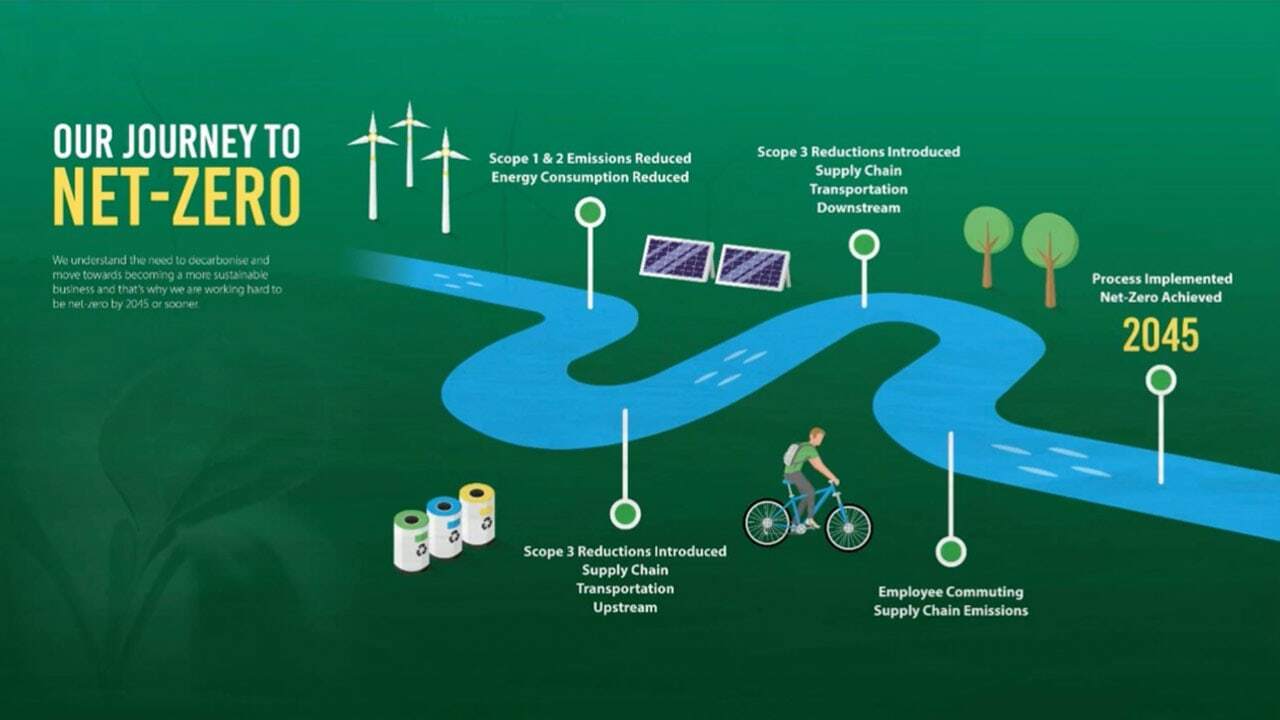
As discussed in our webinar earlier, double block and bleed pipeline isolation technology plays a vital role in helping operators reduce venting and flaring, tackling greenhouse gas emissions during maintenance and facility upgrades. By enabling safe, localised isolation, it eliminates the need to depressurise vast pipeline sections, preventing release of substantial greenhouse gases. In large gas pipelines, this can avert the emission of thousands of tons of methane.

We're excited for the year ahead as we develop new innovations that drive higher levels of safety and support the industry as we transition to a low carbon future.

Until next time,

Vikas Shangari

Vikas Shangari

Global Sales Director

STATS Group

Stats Group
Aberdeen, Abu Dhabi, Dammam, Doha, Edmonton, Houston, Kuala Lumpur, Muscat, Perth