
World’s first dual seal completion plug for safe pipeline hot tapping operations
SureTap® Plug maintains double block and bleed isolation throughout the entire hot tapping process, providing verified pressure barrier integrity when removing temporary valves and installing blinds.
Jump To Section:
SureTap® Plug Comparison Table
Detailed comparison showing how SureTap Plug outperforms conventional and alternative designs on verification, safety, and IMCA subsea compliance.
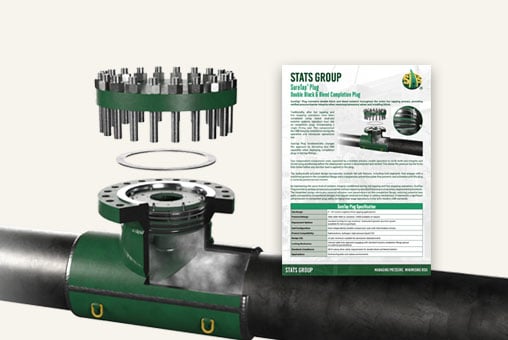
SureTap® Plug Datasheet
Download the SureTap Plug datasheet to explore product specifications, features, and installation details.
Hot Tap Fittings
The Problem - A Final Stage, Critical Vulnerability
After successfully completing a hot tapping and line stopping operation with dual energised seals that provide tested double block and bleed isolation, operators face a critical vulnerability at the final stage. Industry standard completion plugs compromise this carefully established safety barrier with a single O-ring seal that does not meet any modern double block and bleed criteria. The industry has accepted this risk because to date there has not been an alternative – until now.
Once the hot tap and BISEP intervention is complete, there is a requirement to remove the valve and install a blind. Historically this has been done with a single O ring seal plug, restrained with externally deployed shear segments. However, this is a valve changeout operation with significant exposure and the isolation requires to be a double block and bleed by the pipeline codes in most hydrocarbon or high pressure pipelines.
Operators invest in robust double block and bleed isolation during hot tapping and line stopping, only to accept a single barrier at completion, whether onshore, topsides or subsea. This contradiction has persisted because no alternative existed - until now.
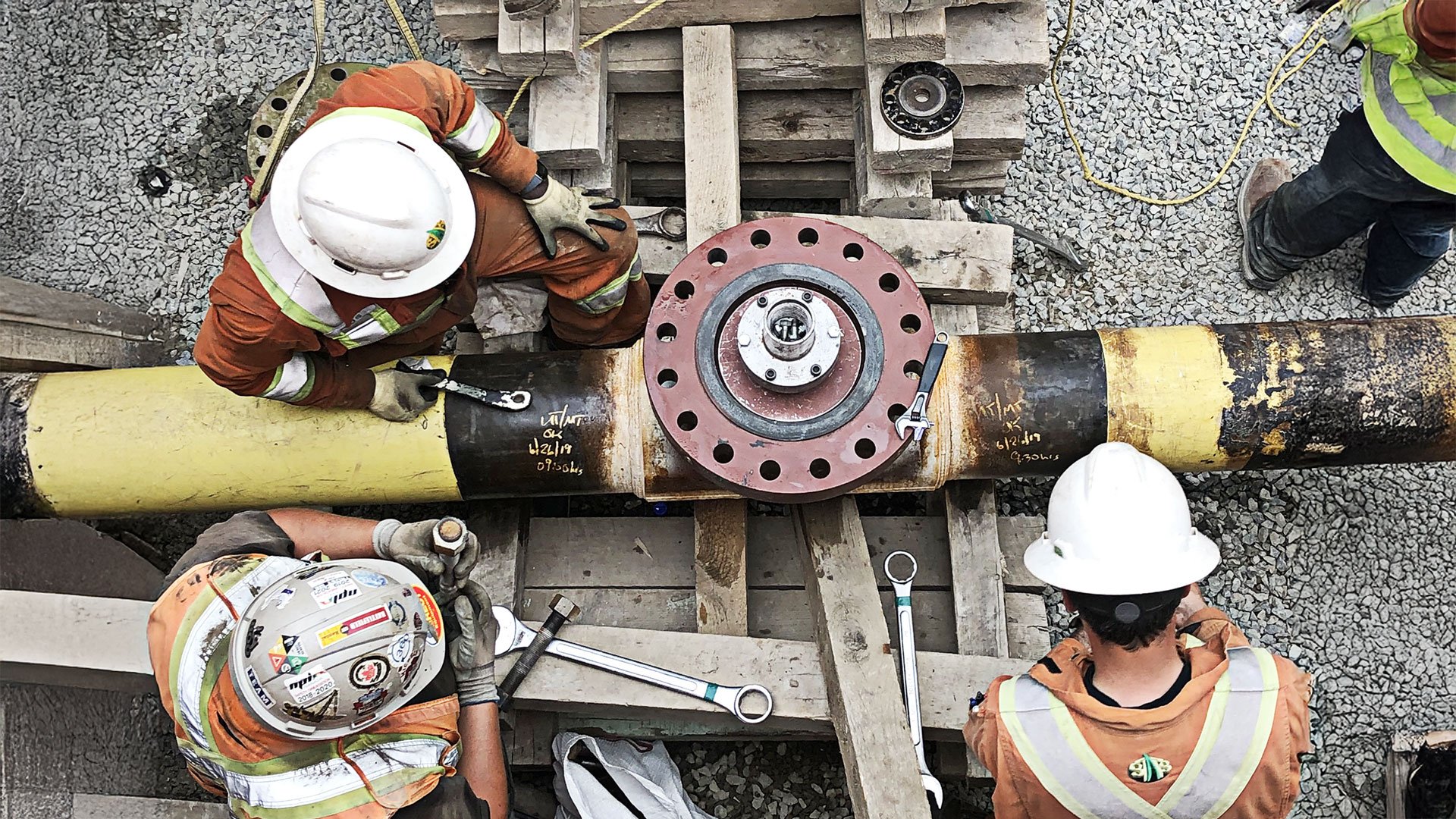
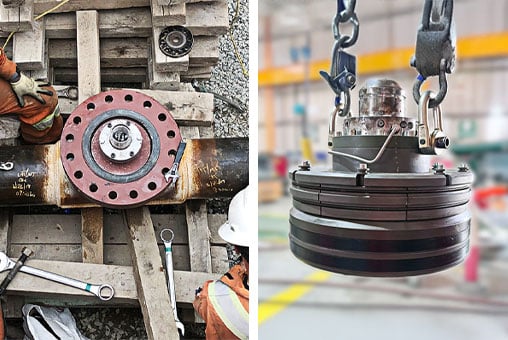
4" Completion Plug
World’s first dual seal completion plug for safe pipeline hot tapping operations
The Solution
The patented SureTap Plug fundamentally changes completion plug design by introducing true double block and bleed capability for deploying and setting completion plugs in hot tap fittings at the end of the workscope. This is the first completion plug engineered to maintain the same level of isolation integrity established during the hot tapping (with STATS SureTap Hot Tap Machines) and line stopping (with STATS BISEP Line Stop) process.
Two independent compression seals with a testable intermediate annulus provide verified confirmation of both seal integrity and correct plug positioning before the deployment system is disconnected and vented. Verifying the plug integrity before applying an ejection load onto the plug is a significant safety feature.
The hydraulically actuated plug incorporates multiple fail-safe mechanisms. Lock segments engage with a machined groove in the completion flange, and a compression prevention plate ensures seals cannot activate unless the plug is correctly positioned with locks fully engaged. The dual seals and hydraulically activated locks allow operators to confirm, with tested certainty, that the pressure barrier is secure and tested before exposing personnel to risk. Unlike earlier attempts at improved completion plugs, the SureTap Plug achieves this enhanced safety without requiring special licensing or proprietary deployment procedures that limit operational flexibility.
This isn't an incremental improvement - it represents a radical change in completion plug philosophy, bringing the final stage of hot tapping operations in line with the double block and bleed standards that govern today’s energy industry. When safety matters, trust STATS Group.
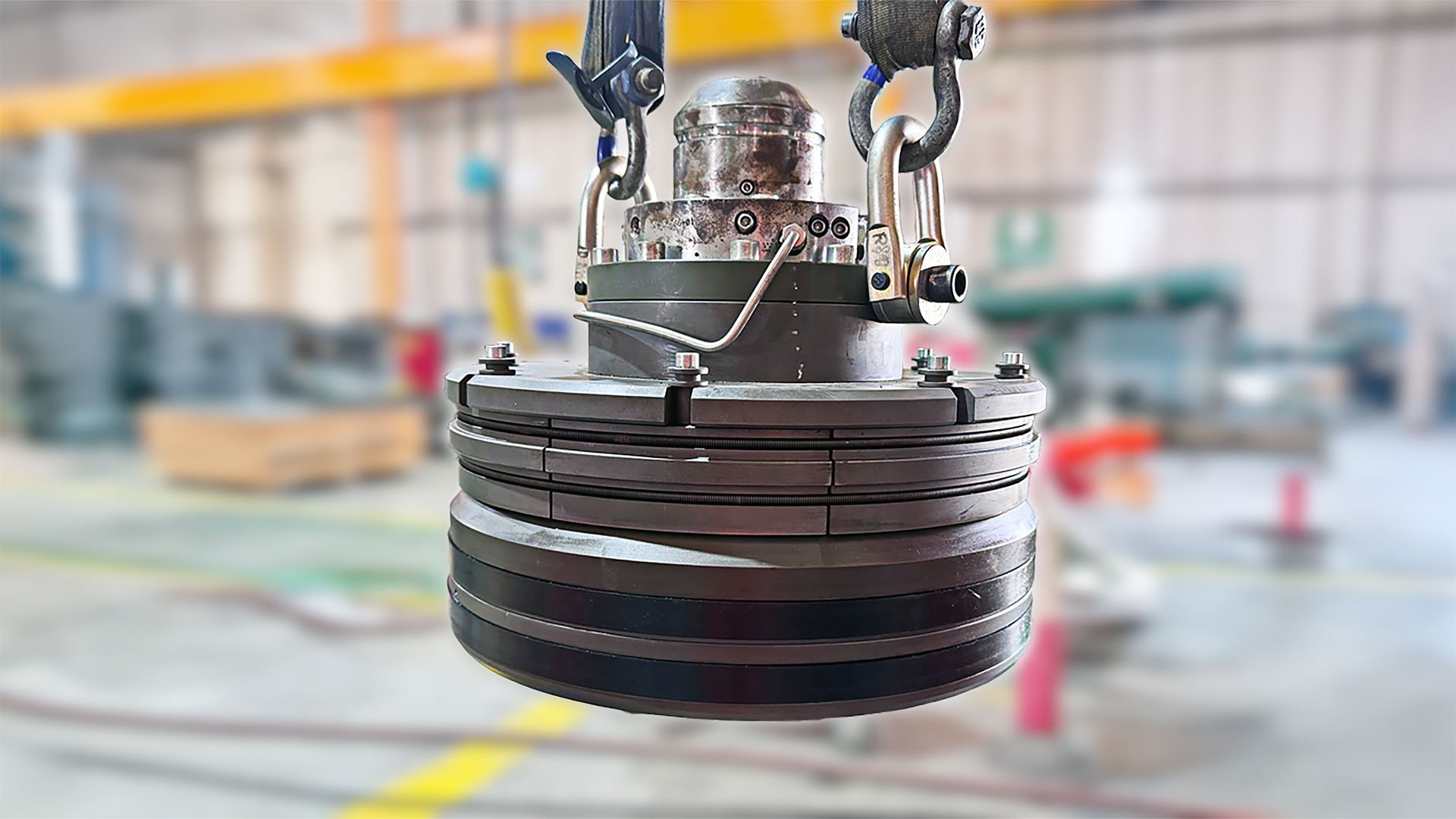
30" SureTap Plug
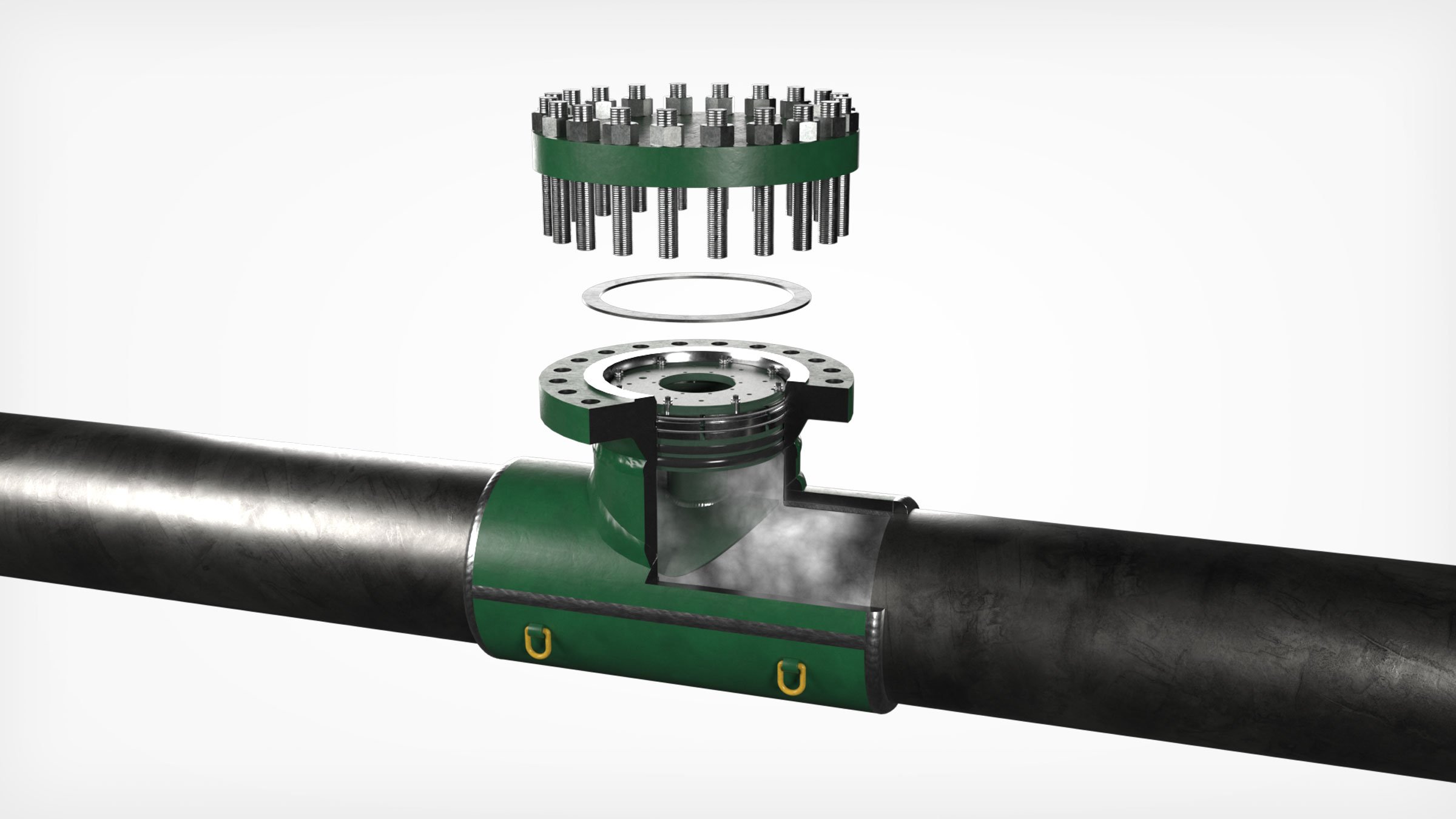
SureTap® Plug - Dual Seal Completion Plug
SureTap Plug
Key Benefits
The SureTap Plug addresses long-standing completion safety concerns while improving operational efficiency across the entire hot tapping workflow.
Safety and Verification
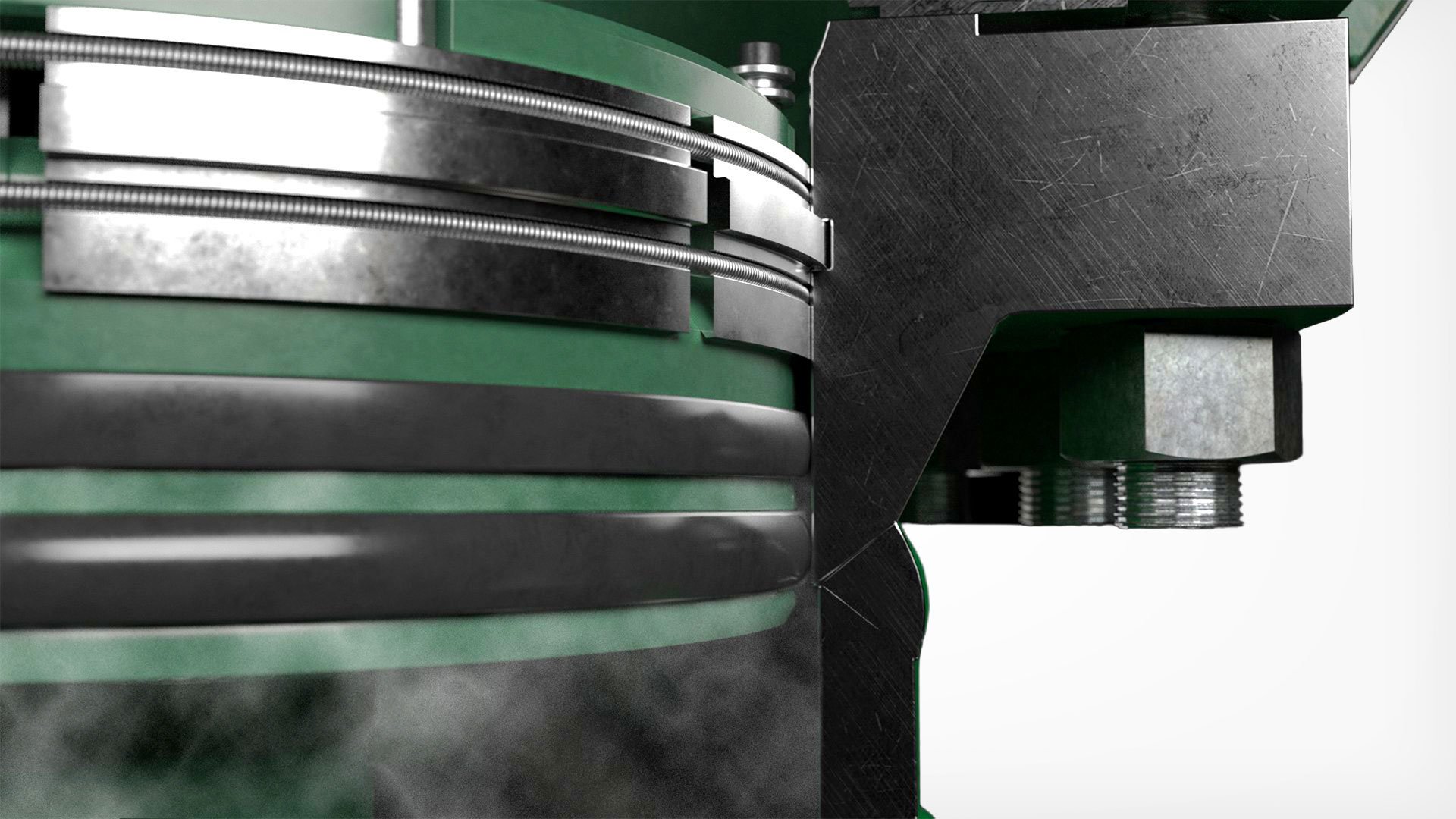
Dual compression seals create an independently testable annulus that confirms both seal integrity and correct plug position before generating differential pressure across the plug. This verification capability eliminates the uncertainty inherent in single-seal designs.
The mechanical restraint system prevents seal activation unless lock segments are fully engaged in the flange groove, making it physically impossible to create a pressure differential without proper plug positioning.
Sealing performance is significantly improved over conventional single seal O-ring designs due to the seal profile and increased surface contact area, providing reliable isolation even on imperfect fitting flange inner diameters damaged during hot tapping operations.
Operational Advantages
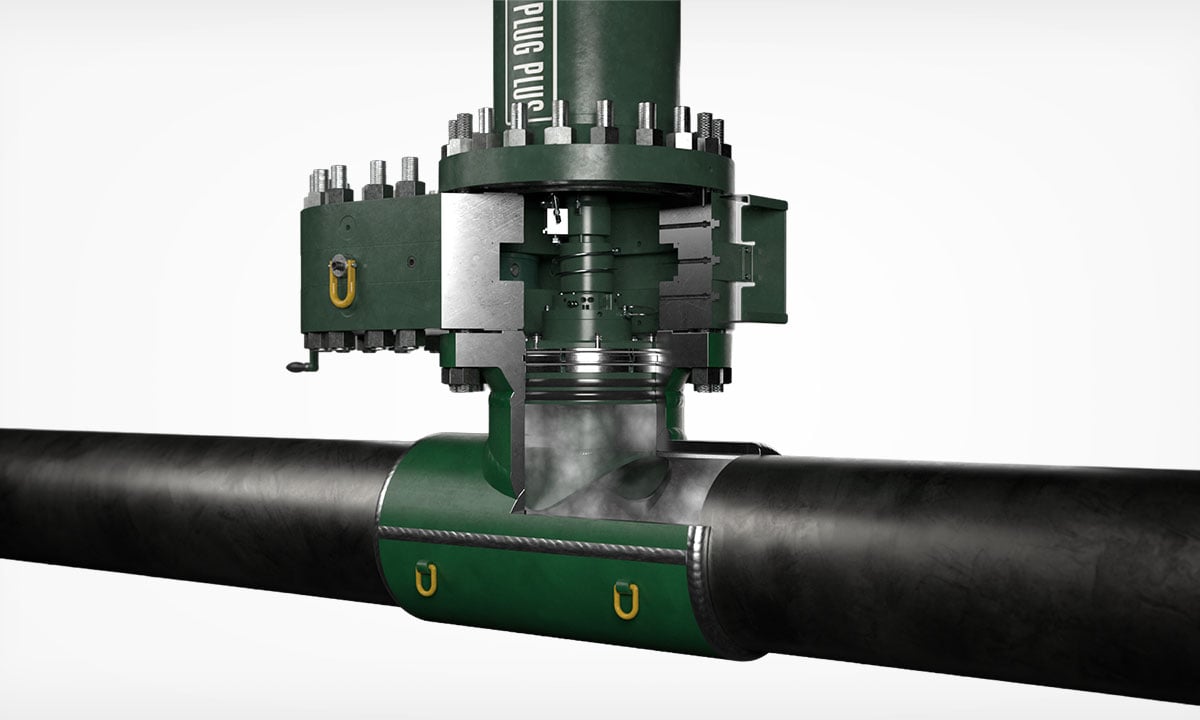
The reduced diameter design allows product flow around the plug during deployment, eliminating the need for bypass check valves and simplifying installation procedures. This smaller diameter also protects seals from damage during insertion and enables passage through standard valve bores, improving compatibility across diverse applications.
Hydraulic deployment from a STATS supplied launcher simplifies the completion process and allows hot tap machines to be demobilised sooner, reducing equipment hire costs and freeing machines for subsequent operations.
The integrated design eliminates external actuators and penetrations on the completion flange, reducing potential leak paths compared to conventional designs that require external lock dogs or setting mechanisms.
Regulatory Compliance
For subsea operations, dual seal capability meets IMCA diver safety requirements, which mandate double block and bleed barriers for all subsea intervention work. This compliance makes the SureTap Plug particularly suited for challenging subsea applications where single-seal completion plugs cannot satisfy regulatory standards.
The tool is compatible with hydrocarbons, hydrogen, and high-pressure liquid CO2, addressing increasingly stringent requirements for difficult-to-isolate products.
What You Need To Know
How It Works
The SureTap Plug operates through a straightforward hydraulic actuation sequence that prioritises safety at every stage.
The plug is positioned within the completion flange using a centrally mounted hydraulic cylinder with hot stab interface. During activation, lock segments move radially outward along a tapered surface to engage with a simple, shallow machined groove in the completion flange. This groove is far shallower than standard flanges so having less or no reduction in the flange strength. The restraint segments on this internally deployed can however be made to engage a groove in a standard fitting as long as the fitting rings are removed and accurate groove dimensions can be supplied. As the locks engage, the compression prevention plate slides beneath the segments, creating a mechanical restraint that serves two critical functions - it prevents the segments from retracting and ensures seals cannot compress unless locks are fully seated.
Only after full lock engagement can the dual seals be energised. The two compression seals create a testable annulus between them, allowing operators to verify seal integrity through pressure testing of this intermediate space. This annulus test also confirms the plug is correctly positioned and the locks are fully engaged, as proper positioning is required for the annulus to hold pressure. Once tested (venting annulus to ambient) the pressure in the deployment launcher can be vented. The hydraulic connection is maintained during this step. Once testing confirms seal integrity and correct positioning, the deployment stem bar disconnects using a hot stab and the deployment launcher can be removed. Although self locked with the pipeline pressure, the plug is mechanically secured, prior to the removal of the hydraulic cylinder and assembly of the blind.
This sequence ensures that differential pressure cannot develop across the plug until all safety mechanisms are verified and in place. The system is inherently fail-safe - if any component of the locking or sealing system is compromised, the annulus test will reveal the issue before attempting to remove the temporary valve.
What You Need to Know
Technical Specifications
SureTap Plug
Size Range: 6" to 56" (covers majority of hot tapping applications)
Pressure Ratings: 300#, 600#, 900# as standard | 1500# available on request
Deployment Options: Standard SureTap hot tap machines | Dedicated hydraulic launcher system (available for rent or purchase)
Seal Configuration: Dual independently testable compression seals with intermediate annulus
Product Compatibility: Hydrocarbons, hydrogen, high-pressure liquid CO2
Design Life: 25-year minimum (suitable for permanent abandonment)
Locking Mechanism: Internal radial lock segments engaging with standard industry completion flange groove (no external penetrations)
Standards Compliance: IMCA subsea diver safety requirements for double block and bleed isolation
Patent Status: Patented
Applications: Onshore/topsides and subsea environments
Applications
The SureTap Plug serves both onshore and subsea markets, with particular advantages in applications where completion safety and long-term integrity are critical concerns.
Onshore Pipeline Completions
For onshore hot tapping operations, the SureTap Plug provides verified double block and bleed isolation that operators can test and confirm before removing temporary valves. This verification capability is particularly valuable on high-pressure hydrocarbon pipelines where single-seal failures carry catastrophic consequences.
Onshore applications also benefit from reduced equipment hire duration. The dedicated launcher system allows hot tap machines to be removed and redeployed immediately after cutting operations rather than remaining on site until project completion. For contractors managing multiple hot tapping projects, this operational efficiency translates directly into improved equipment utilisation and reduced mobilisation costs.
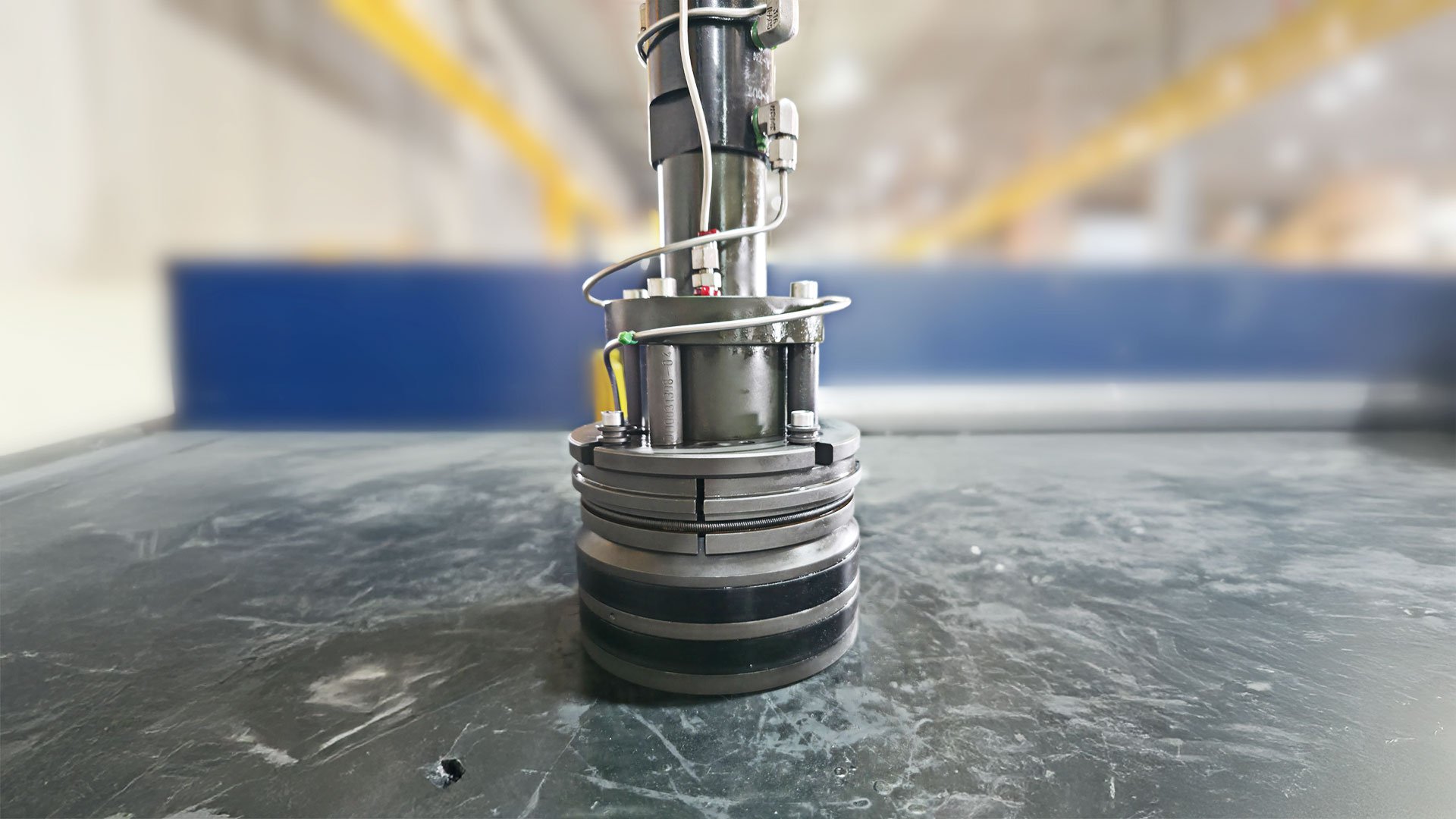
6" SureTap Plug
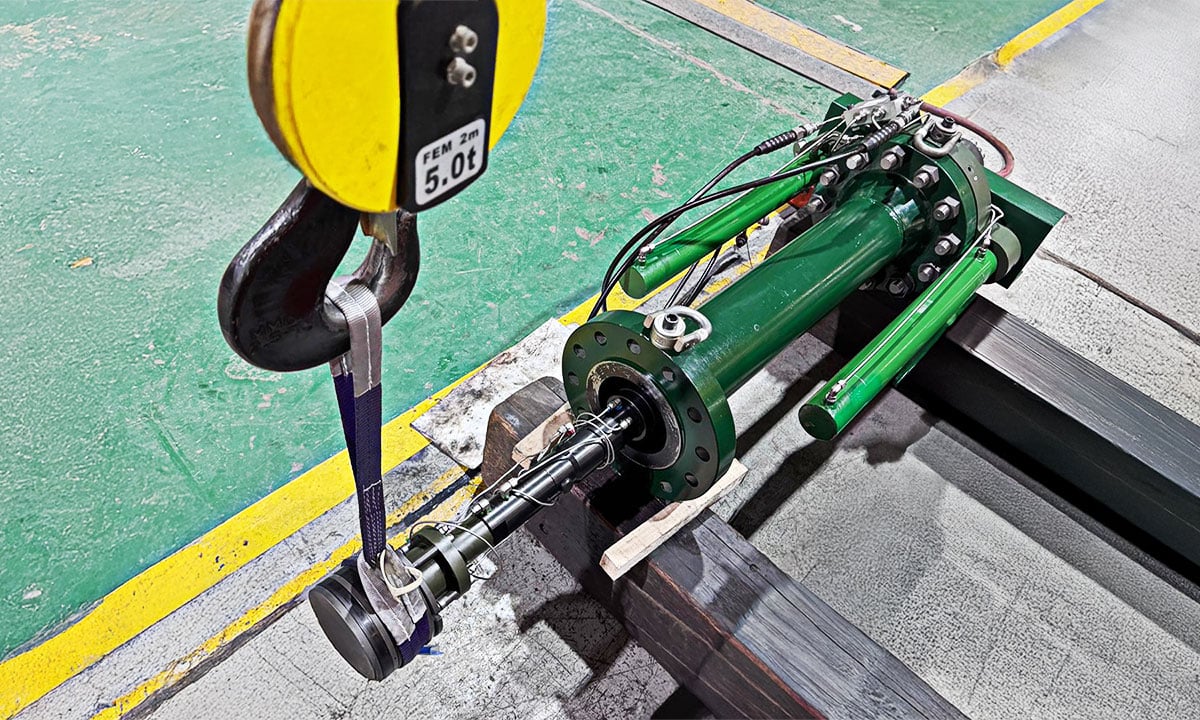
Subsea Operations
Subsea applications represent the most demanding environment for completion plugs, where diver safety regulations mandate double block and bleed isolation for all intervention work. The SureTap Plug is the first completion plug designed specifically to meet IMCA subsea isolation requirements, providing the dual seal capability that single O-ring designs cannot achieve.
Diver safety is paramount in subsea operations. Traditional single-seal completion plugs create unacceptable risks because seal integrity cannot be verified before divers begin removing temporary valves. The testable annulus of the SureTap Plug eliminates this uncertainty, allowing operators to confirm both seals are leak-tight before exposing divers to potential pressure release hazards.
High-Pressure and Challenging Products
Applications involving hydrogen or high-pressure liquid CO2 present unique isolation challenges that exceed the capabilities of conventional completion plugs. These products demand absolute seal integrity because even minor leakage can escalate rapidly into dangerous situations.
The dual seal design with verified testing provides the level of assurance these challenging applications require, where single-seal solutions simply cannot provide adequate confidence. The 25-year design life and independently testable dual seals also make the SureTap Plug suitable for permanent abandonment applications where operators need documented, verifiable barriers that satisfy regulatory requirements for aging asset retirement.
Why Choose SureTap Plug?
The First True Dual Seal Completion Plug
This is not an incremental improvement to existing technology - it's the first completion plug engineered to maintain double block and bleed isolation throughout the entire hot tapping process. The SureTap Plug eliminates the contradiction of investing in robust isolation during hot tapping and line stopping only to accept unverifiable single-seal barriers at completion.
Verified Safety, Not Assumed Safety
Conventional completion plugs require operators to assume proper installation and seal integrity. The SureTap Plug replaces assumption with verification. Annulus testing proves both seals are leak-tight and confirms correct plug positioning before removing the temporary valve.
Built on Proven STATS Isolation Principles
The SureTap Plug leverages decades of experience developing high-integrity pipeline isolation tools. The dual seal design follows the same fundamental principles that have made STATS' Tecno Plug and BISEP technologies the industry standard for double block and bleed isolation.
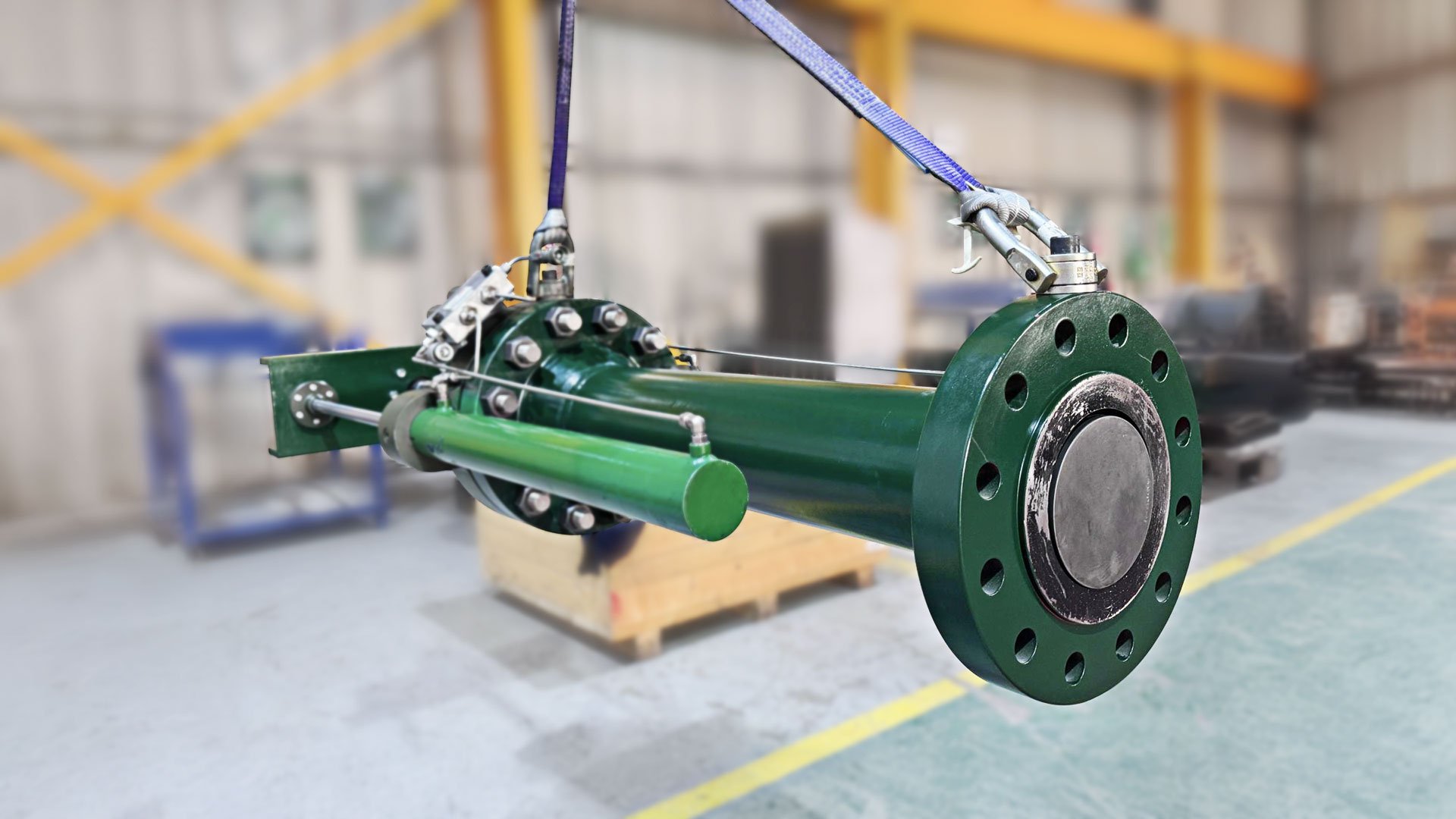
6" SureTap Plug
Complete Your Hot Tapping Solution
The SureTap Plug completes a comprehensive hot tapping system built on consistent double block and bleed principles. From initial hot tap through isolation and intervention to final completion, STATS delivers verified dual seal integrity at every stage. Explore the tools that work together to maintain the safety standards your operations demand.

SureTap® Hot Tapping Machines
Industry-leading dual seal hot tapping machines that establish double block and bleed isolation from the start of your operation. With pressure ratings up to 153 bar and subsea capability, SureTap machines provide the high-integrity foundation that the SureTap Plug maintains through to completion.
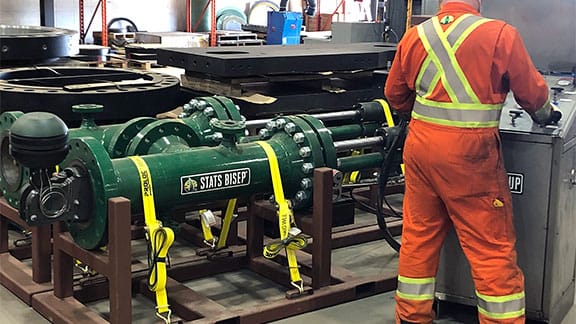
BISEP® Line Plugging Tool
DNV Type Approved temporary isolation for work between hot tapping and completion. BISEP's hydraulically activated dual seals with testable annulus provide the same verified double block and bleed integrity during pipeline intervention that SureTap Plug delivers at completion.
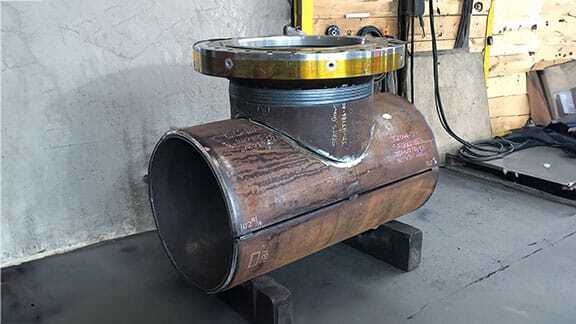
SureTap® Hot Tap & Line Stop Fittings
Custom-engineered split tee fittings manufactured to your specifications and industry standards. Designed alongside our isolation tools to provide the structural foundation for hot tapping operations - from machine installation through BISEP deployment to SureTap Plug completion.
Local Everywhere
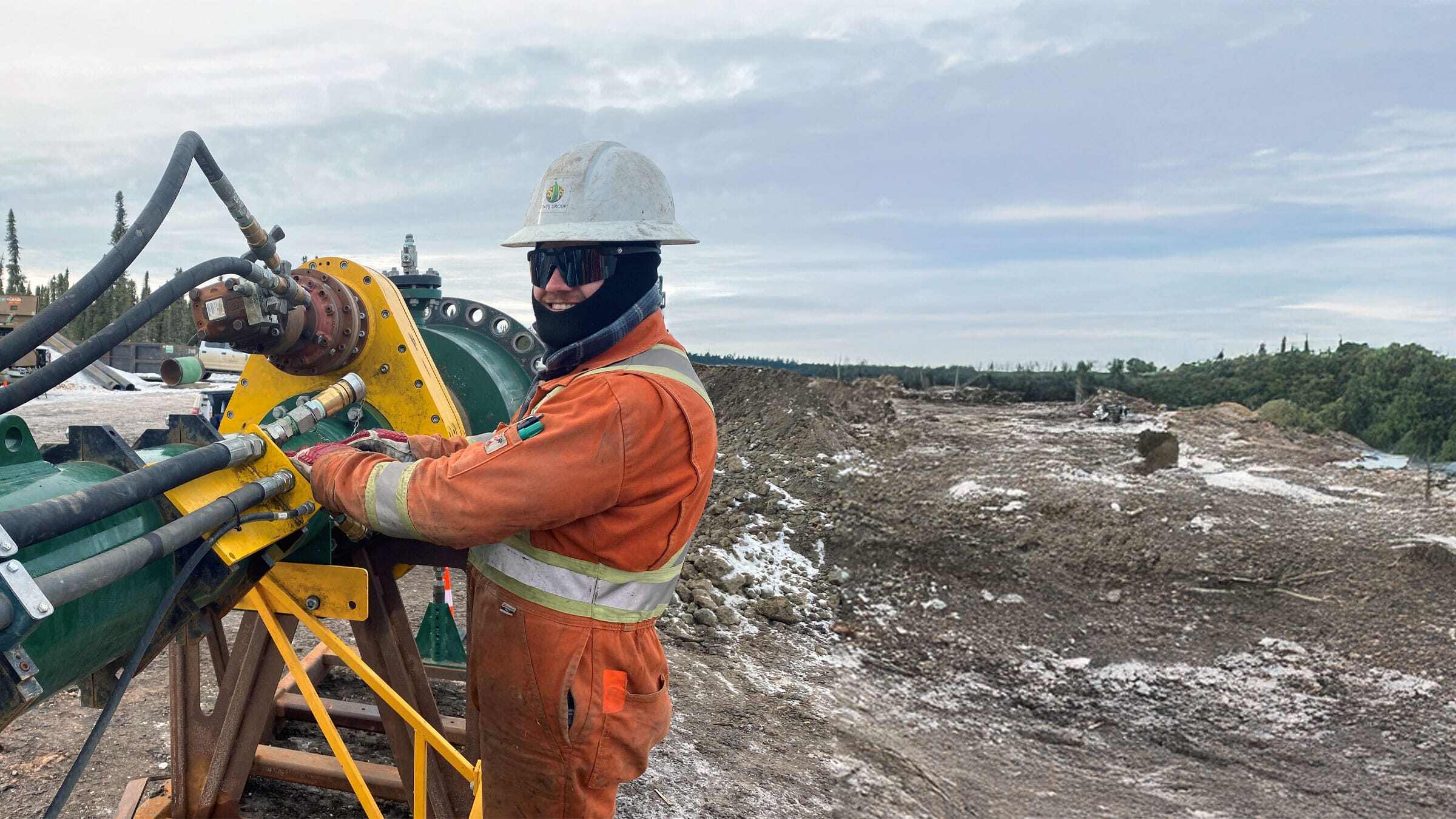
Instead of flying people and equipment all over the world, we've set up fully-functional bases in nine strategic locations. These bases enable us to employ local technicians, work with local manufacturers, and invest in local economies. They're a significant investment, but our regional bases are key to delivering the best possible service for our clients - and minimising the environmental impact of our work.
