
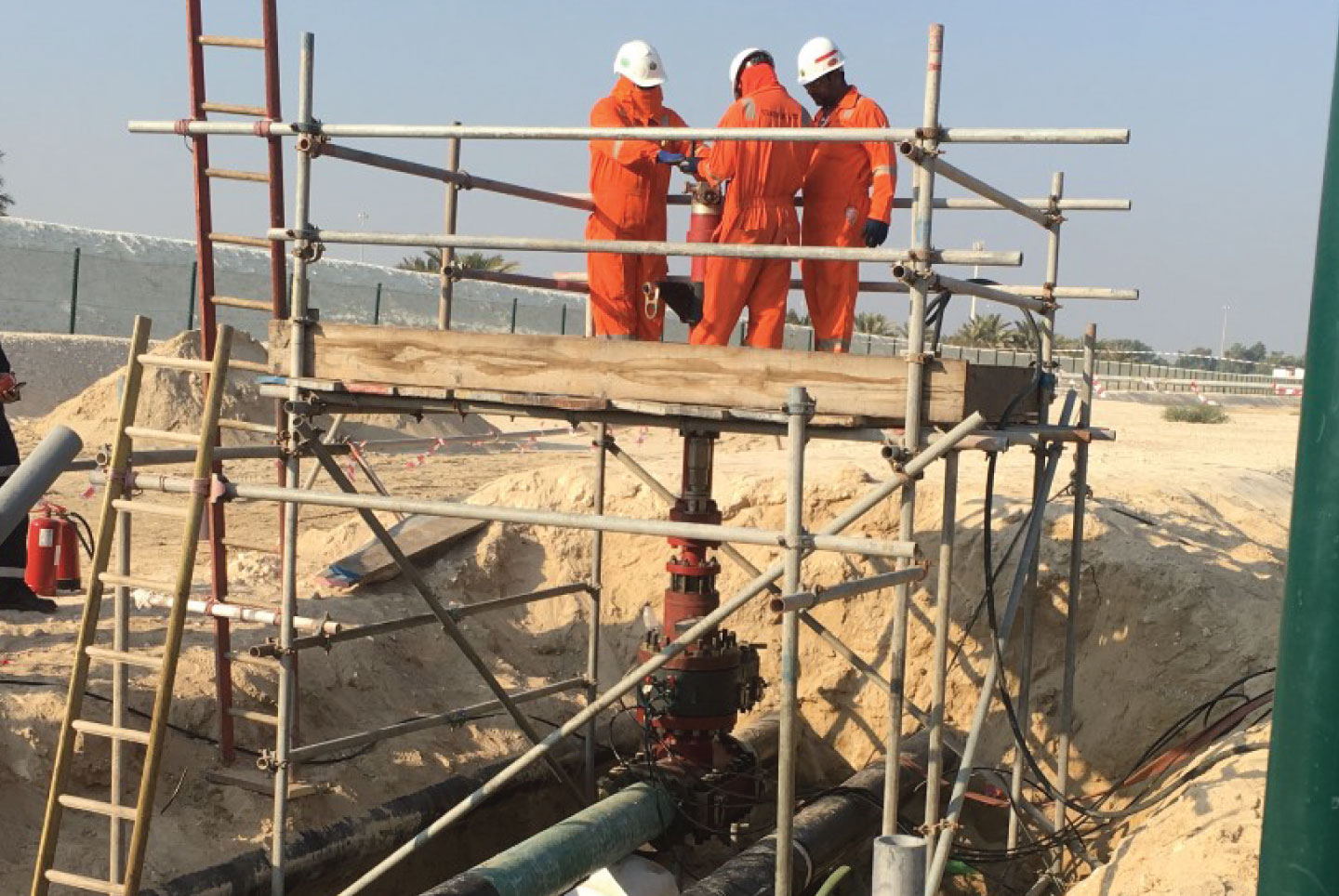
Case Study - Jet Fuel Line Isolation & Re-route
BISEPs were deployed through mechanical hot tap clamps to isolate jet fuel lines and avoid welding within an exclusion zone at Abu Dhabi International airport.
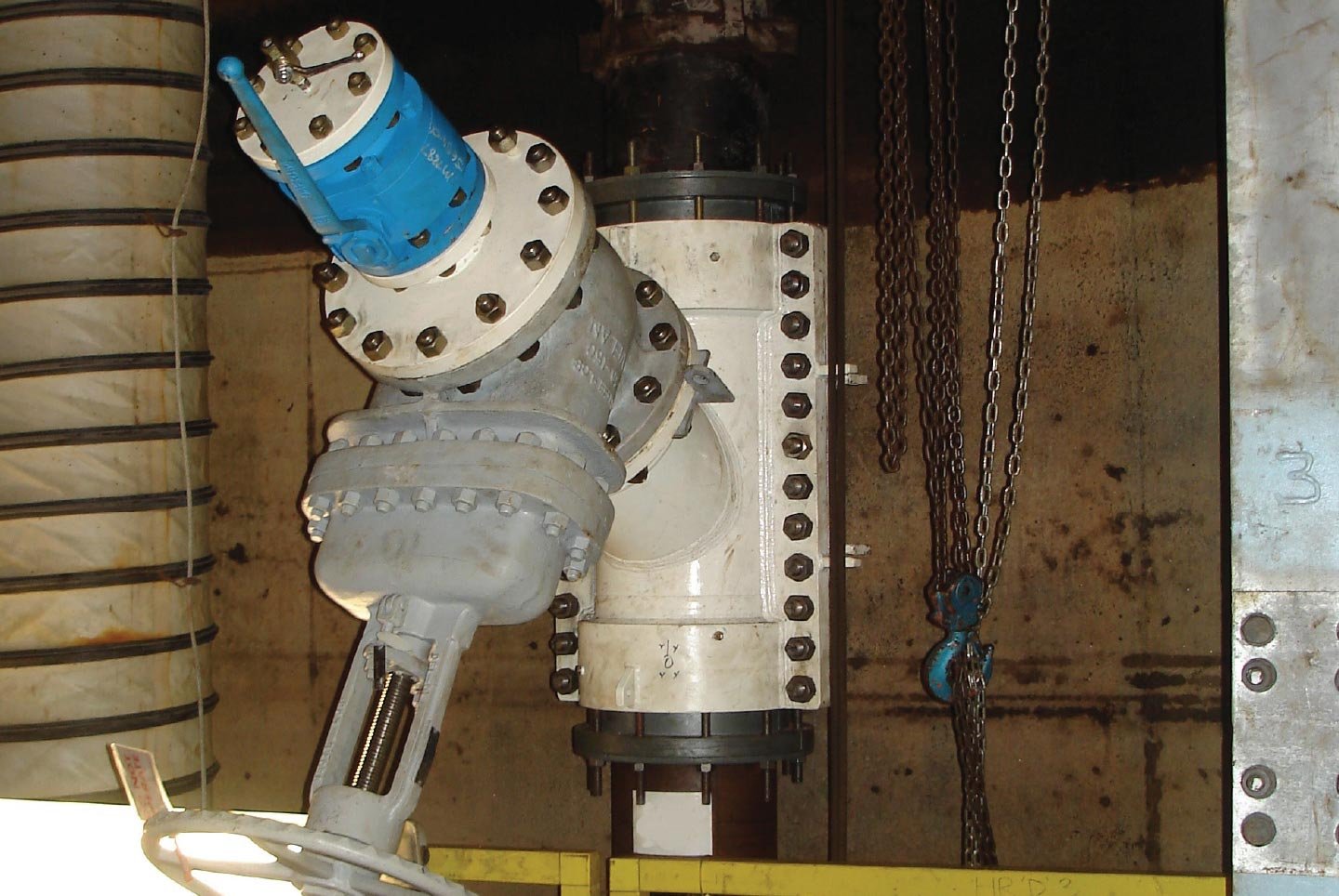
Case Study - Innovative Isolation for Brent Cell Line Replacement
A pioneering effort resulted in successfully replacing Brent Bravo and Delta cell fill lines in the North Sea. Challenges included unreliable valves and no line access.
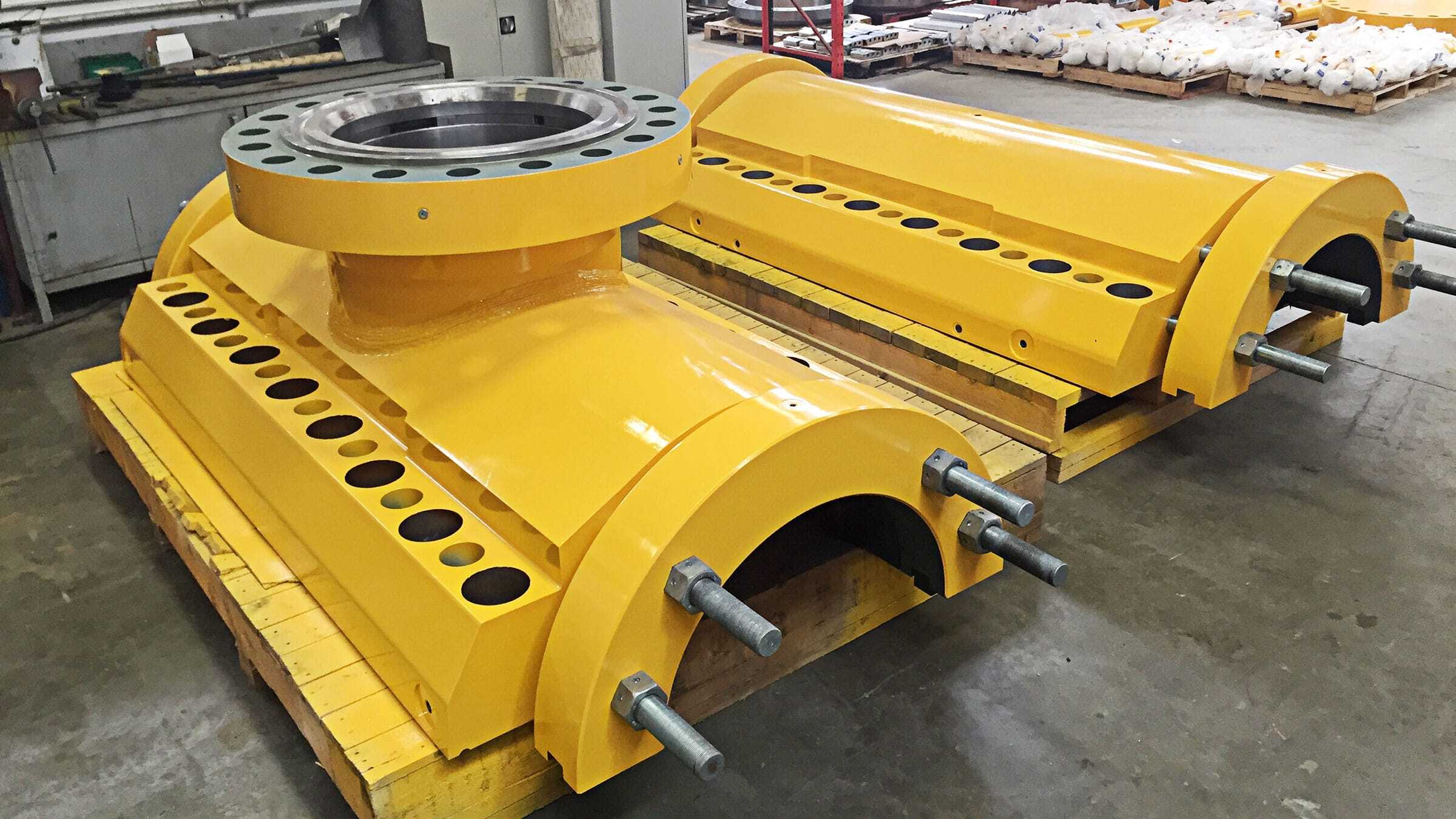
30" Hot Tap Clamp Shetland Islands
Onshore And Topsides
Hot Tap Clamps for Onshore and Topsides Operations
We have clamp specifications to match a variety of pipeline diameters, wall thicknesses, fluid types and flow characteristics. Tapping branch sizes and angles can be specified to suit your application.
STATS' hot tap clamps are compatible with a wide range of pipe materials, including carbon steel, stainless steel and duplex. We use HNBR (hydrogenated nitrile butadiene rubber) seals as standard, with alternatives available on request – to withstand extremely high temperatures, for example. We can optionally supply a DNV Product Certificate to confirm our clamps’ suitability for your application.
Standards
- ASME Boiler and Pressure Vessel Code, Section VIII, Div 2
- API 5L, Specification for Line Pipe
- ASME B16.5, Pipe Flanges and Flanged Fittings
- ASME B31.8, Gas Transmission and Distribution Systems
- ASME B31.4, Pipeline Transportation Systems for Liquid Hydrocarbons
- API 6H, Specification on End Closures, Connectors and Swivels
- External coating in accordance with Norsok M501 System 7 B/C
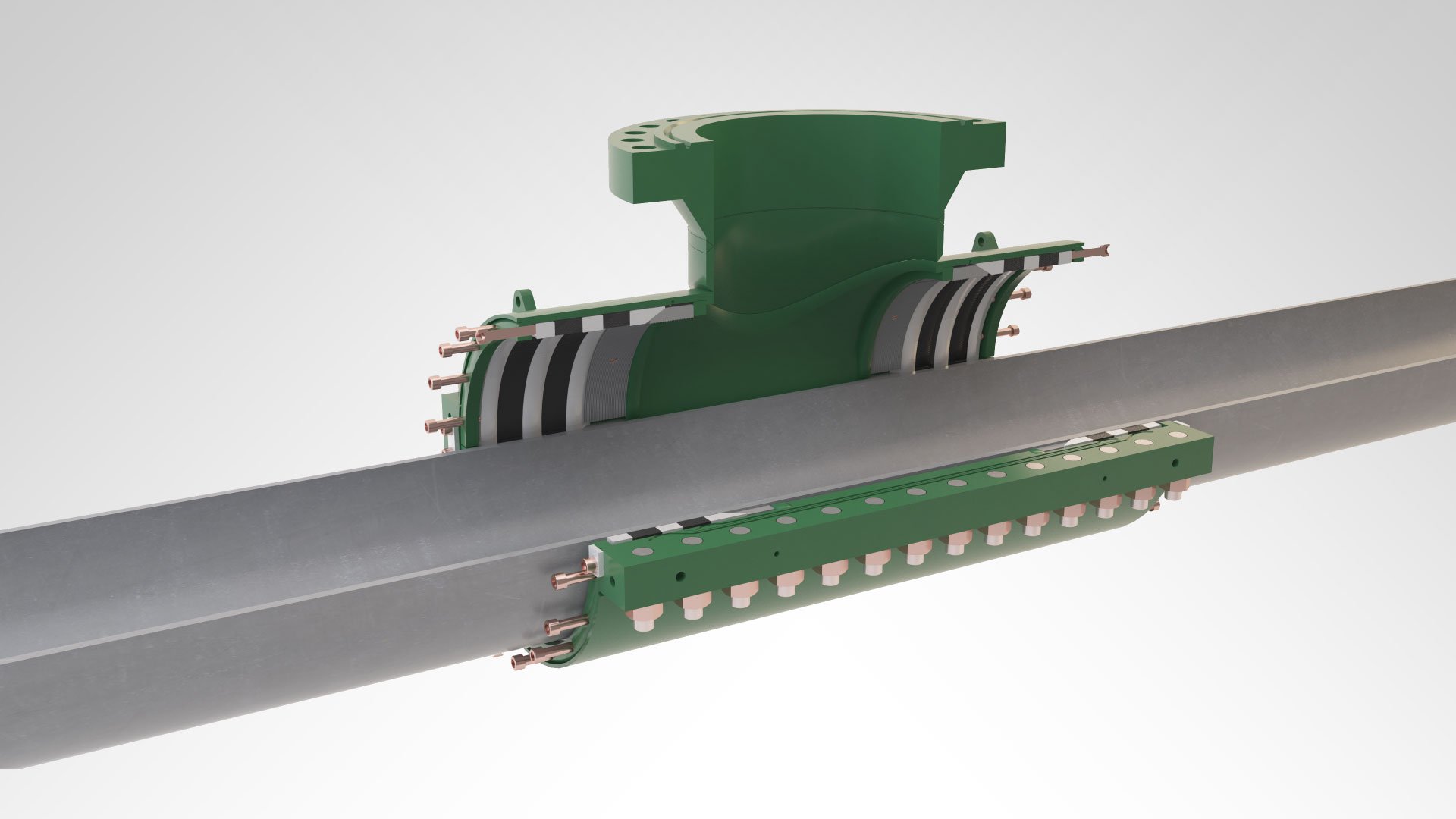
Hot Tap Clamps Specified to suit your application
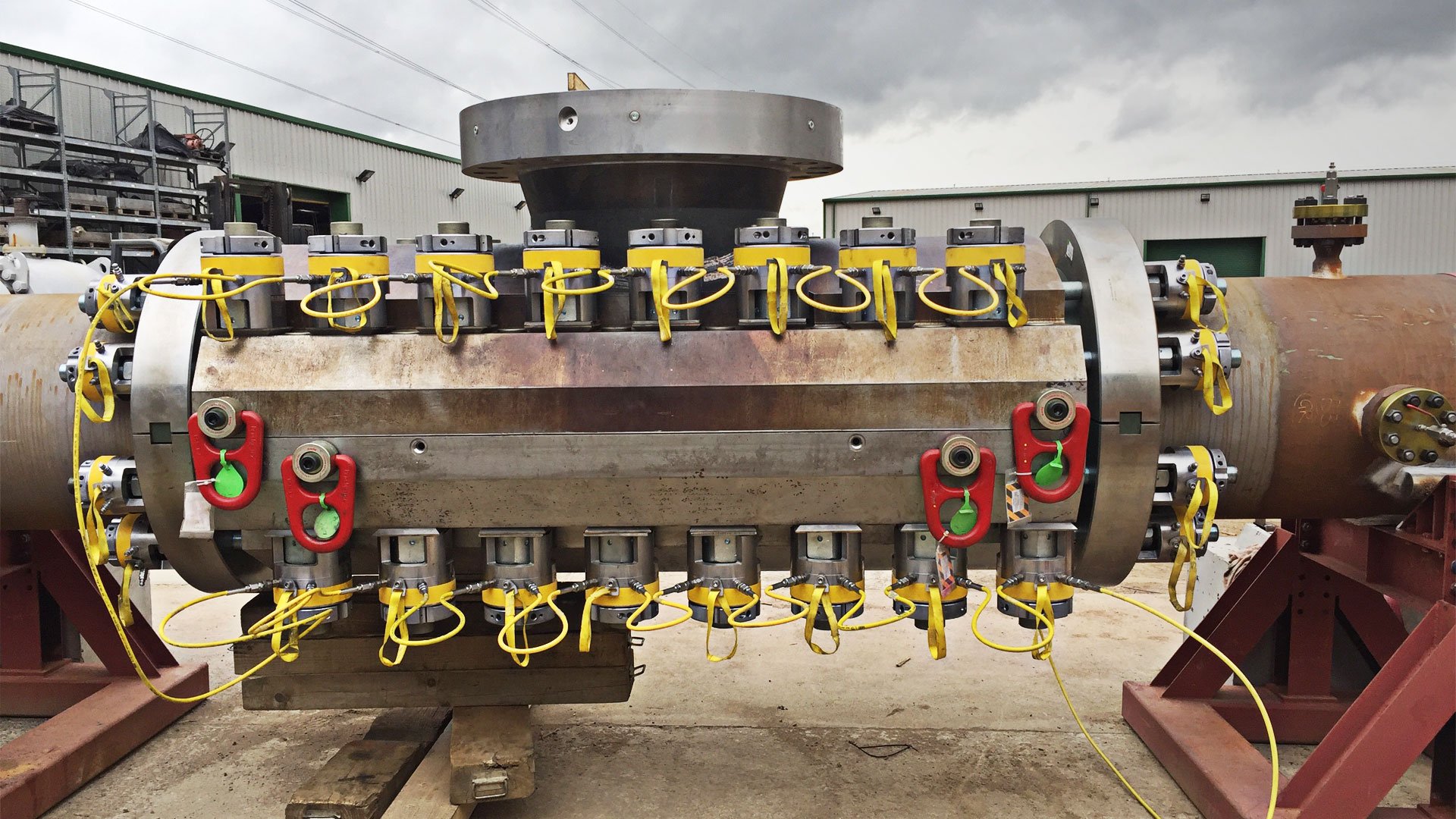
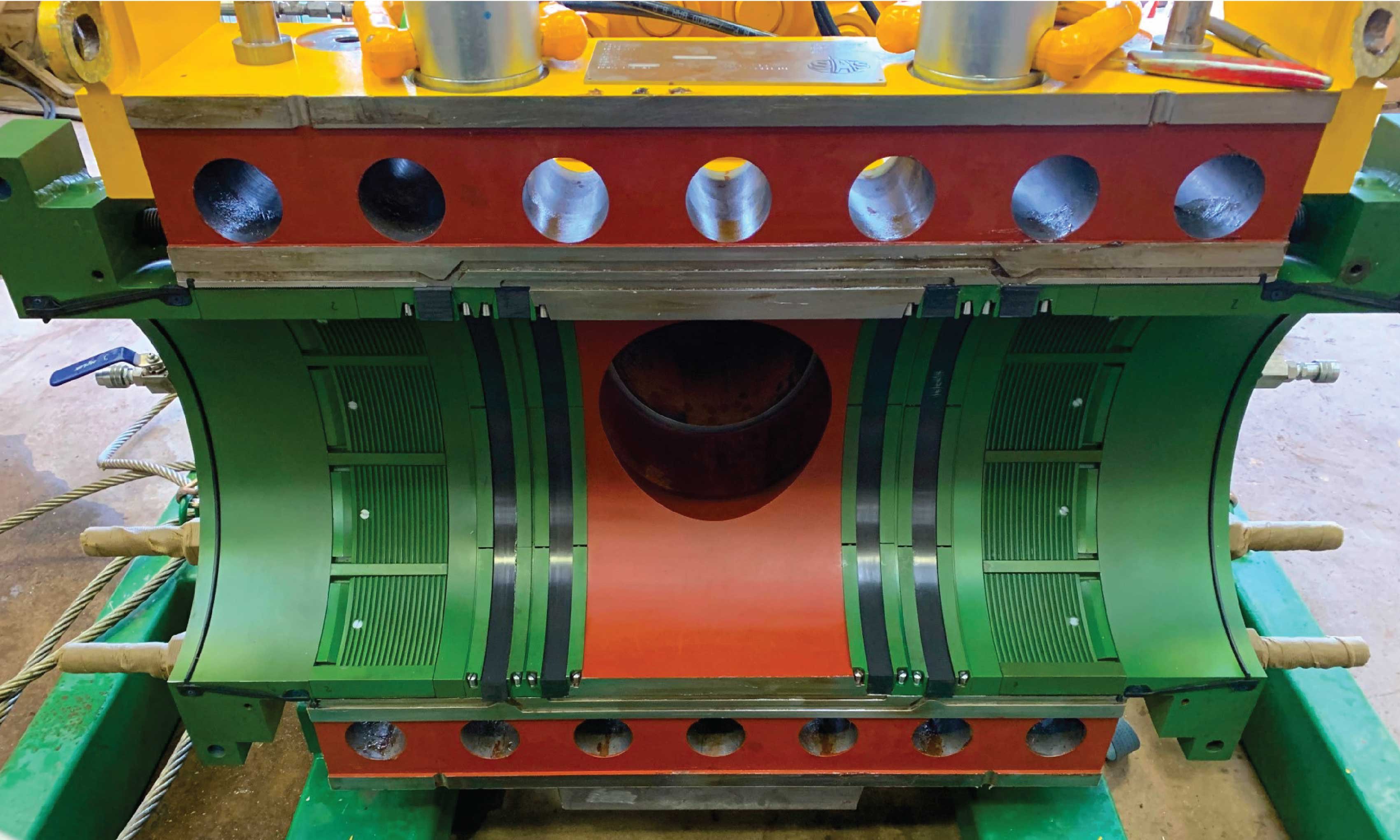
Why choose our lock cage design?
The lock cage’s advantages include lower bolting requirements, less risk of crushing pipes, and reliably even loading – regardless of ovality and other pipe irregularities.
Importantly, because the lock cage makes the clamp lighter, there is a distinct advantage for high pressure clamps as there are no additional up front costs to consider.
The lock cage design is preferred for higher pressures and larger diameters. As a rough guide, this would include anything above 24” for the 150/300 lb class, or above 12” for the 600 lb class.
In addition, we recommend these external locks for pipelines carrying sour (H2S) or caustic products which can corrode hardened locks. The same applies to hydrogen, which can cause embrittlement and high pressure liquid CO2 pipelines. External locks also avoid flow disturbance and turbulence issues.
Naturally, the cage lock option costs more up front. However, it’s often more economical overall as it can achieve the desired result with a smaller, lighter clamp, less material and less installation effort. It’s also far less expensive than rectifying the fallout from a failed clamp.
Pipeline and Process Pipe Repair
Self-Energised Strap Clamps: Patented Hot Tapping Connection
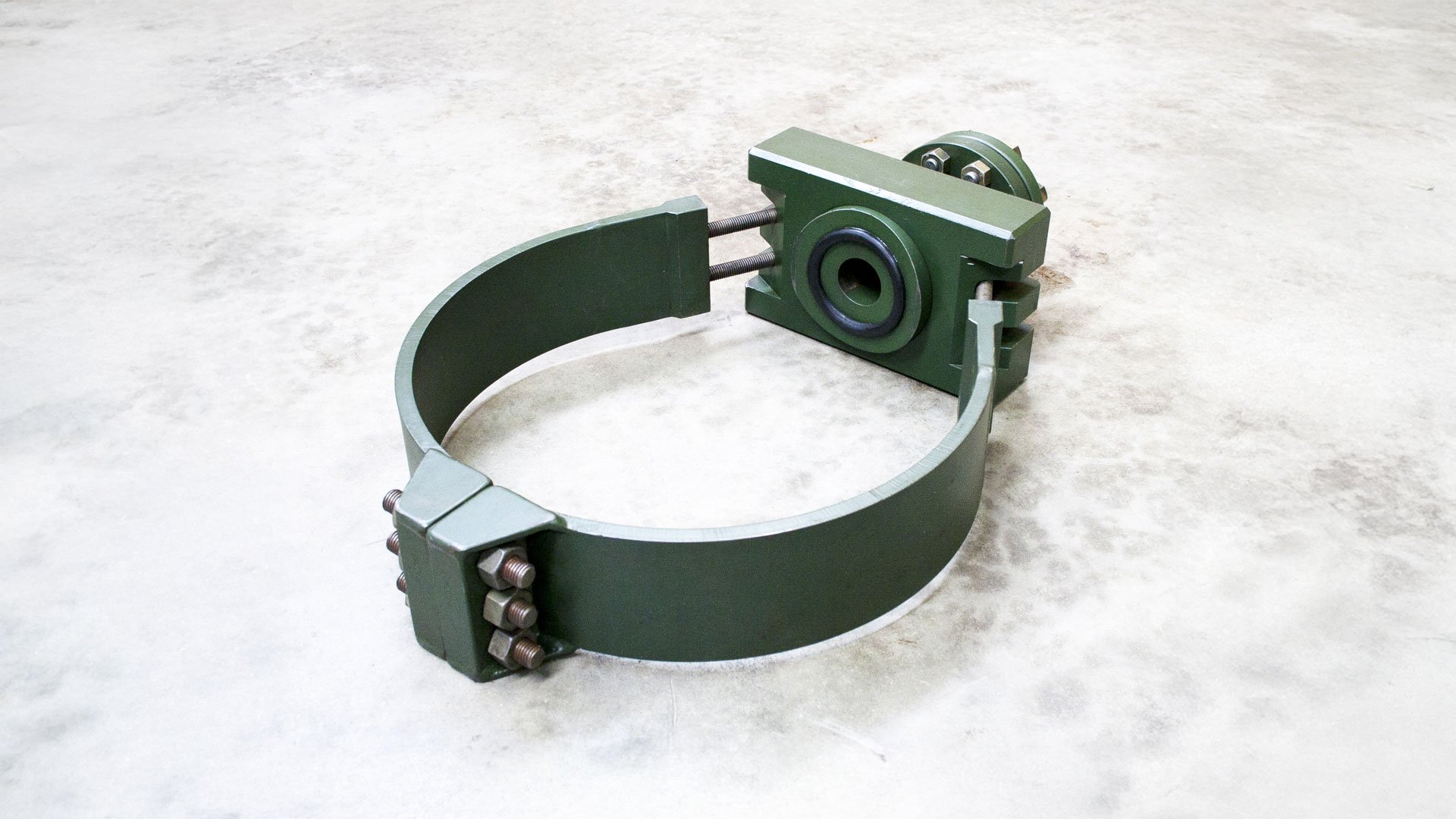
STATS' patented strap clamps represent a highly specialised and innovative connection for small bore hot tapping operations. Ideal for pressure testing, venting or depressurising systems.
STATS' Strap Clamps: What You Need To Know
- Temporary Access: Create temporary access points for integrity management activities where welding is not feasible, like venting/draining or purging pipework prior to removal (dead legs, abandoned lines).
- Installation: Light weight and low profile allows ease of installation even in restricted spaces.
- Localised Sealing: Reduces loads that need to be restrained, they are therefore lighter and easier to handle than traditional, full encirclement clamps.
- Superior Pipe Surface Accommodation: Dual elastomeric seals accommodates poor exterior surface finish.
- Secure and Pressure Independent Seal for Hot Tapping: The seal housing can be configured with a flange for safe penetrations into live pipes.
Unique Self-Energised Sealing Mechanism
The core differentiator of STATS' strap clamps is their self-energised sealing capability. Once pressure is applied to the seal housing, the pipe seal becomes energised by the differential area acting across the cartridge. This "piston effect" ensures that the seal maintains continuous contact with the pipe, even if the straps stretch, which is especially beneficial for thin pipe walls.
This patented technology provides a reliable dual seal that is superior to conventional strap clamps, which can lose pressure and seal integrity as straps stretch under load.
Temporary Access Solutions
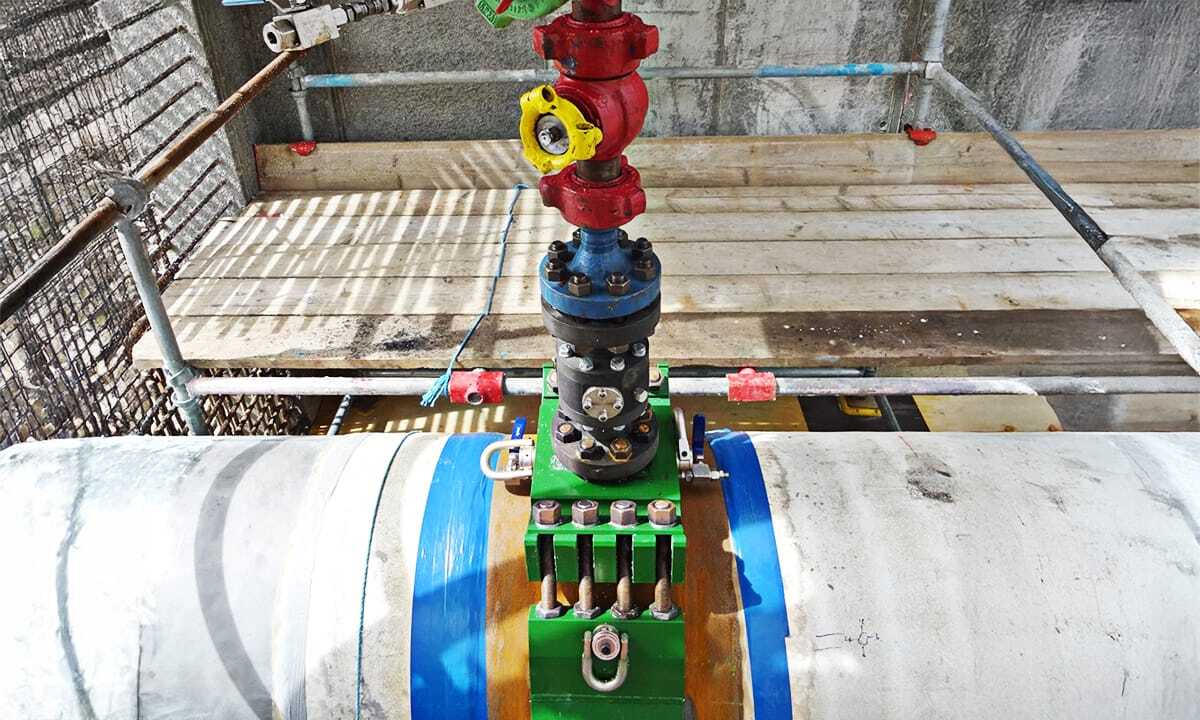
These clamps are highly effective for creating temporary access points for hot tapping and various integrity management activities. Applications include venting / draining or purging pipework prior to removal, such as dead legs or abandoned lines, or other operations where welding is not feasible, offering a quick and secure connection.
Strap Clamp Hot Tapping
Design and Installation
Lightweight and Low Profile: These clamps are designed to be lightweight and offer a low profile, allowing for quick and efficient installation even in restricted spaces.
Localised Sealing: They provide a localised dual seal on the pipe surface using a circular ‘D’ seal mounted in a profiled groove that conforms to the pipes outside diameter. This localised sealing area reduces the loads that need to be restrained, making them much lighter and easier to handle than traditional full encirclement repair clamps.
Pipe Surface Accommodation: The elastomeric dual seals can accommodate a poor surface finish on the pipe's exterior, though coatings must be fully removed and deep gouges must not impinge on the seal contact area.
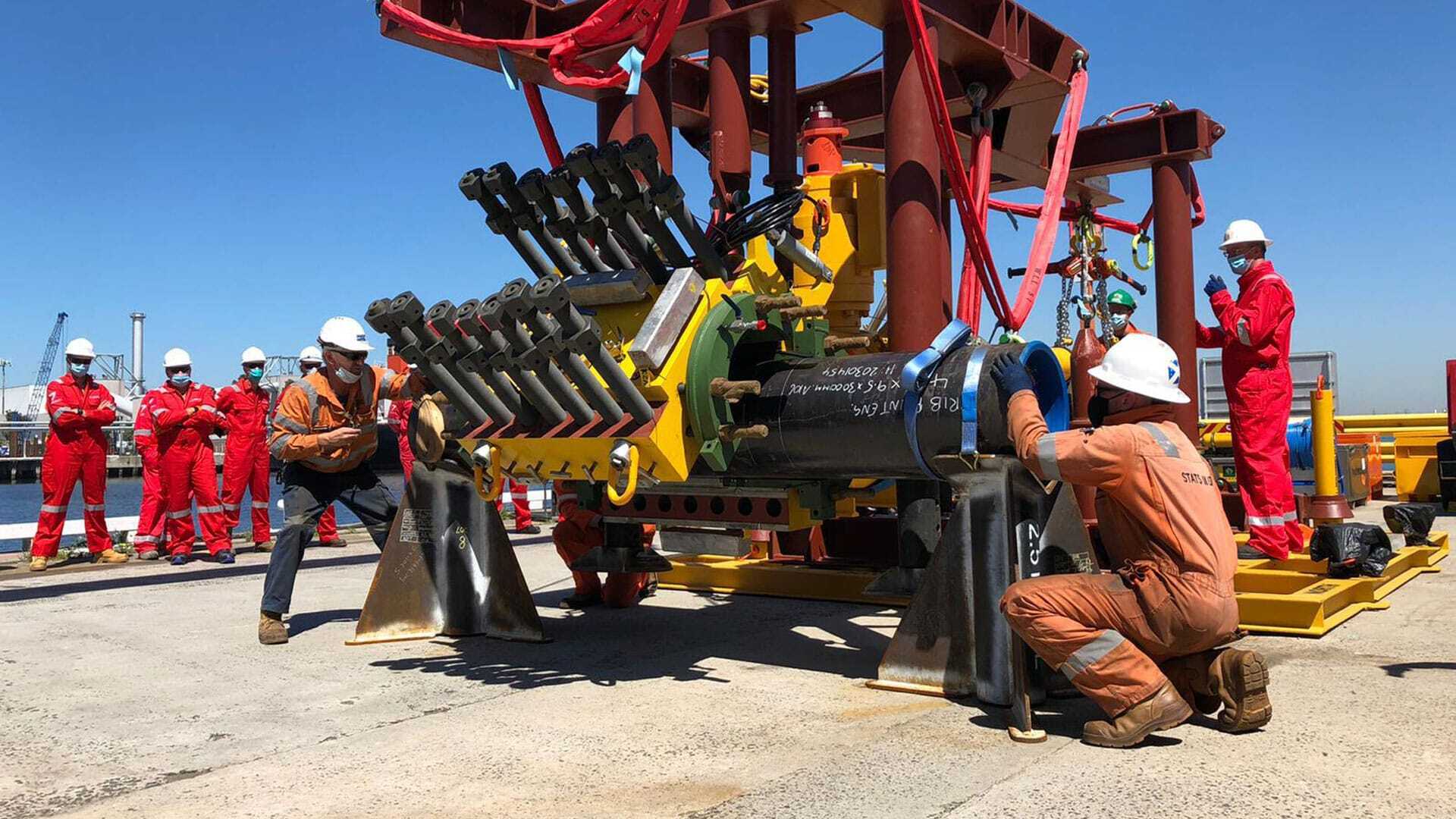
Subsea Hot Tap Clamps
For harsh undersea conditions, including full pipe separation loads and corrosive environments our subsea hot tap clamps are available in specifications to match a variety of pipeline diameters, wall thicknesses, fluid types and flow characteristics.
All are compatible with a wide range of pipe materials, including carbon steel, stainless steel and duplex. We use HNBR (hydrogenated nitrile butadiene rubber) seals as standard, with alternatives available on request. We can optionally supply a DNV Product Certificate to confirm our clamps’ suitability.
A Complete Hot Tap and Line Stopping System
All designed for ease of installation and minimal disruption to either the pipework or the system to which they are fitted, STATS provides a complete system for tapping and line stopping operations, with our complementary, proprietary range of SureTap hot tapping machines and the dual seal BISEP line stopping technology.
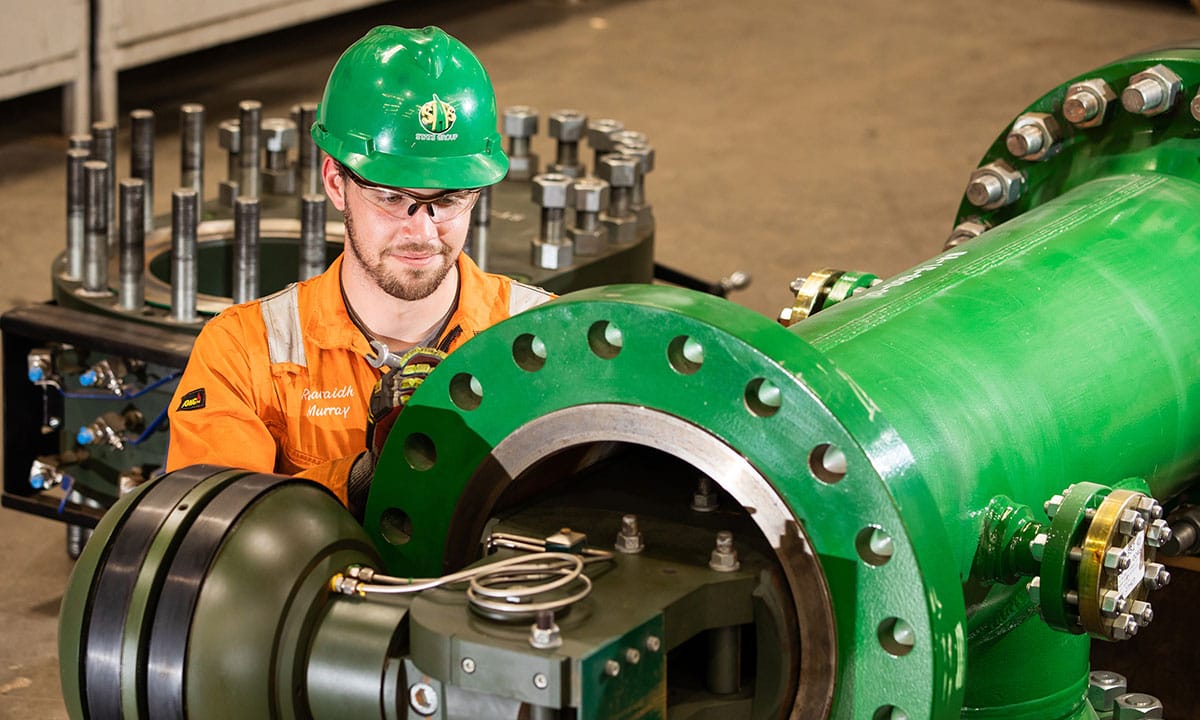

SureTap® Hot Tapping Machines
Performance and reliability for critical, high-pressure tapping operations. Double block and bleed sealing configuration allows taps to be performed safely on a wide range of pipeline materials and mediums, including use with sour (H2S) products.
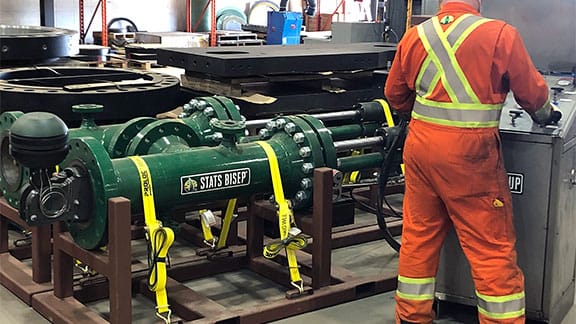
BISEP® Line Plugging Tool
Using patented and DNV Type Approved technology, BISEP provides fail-safe double block and bleed isolation. Deployed through a single full bore hot tap intervention, leak-tight isolation of live, pressurised pipelines is achieved via hydraulically activated dual seals.
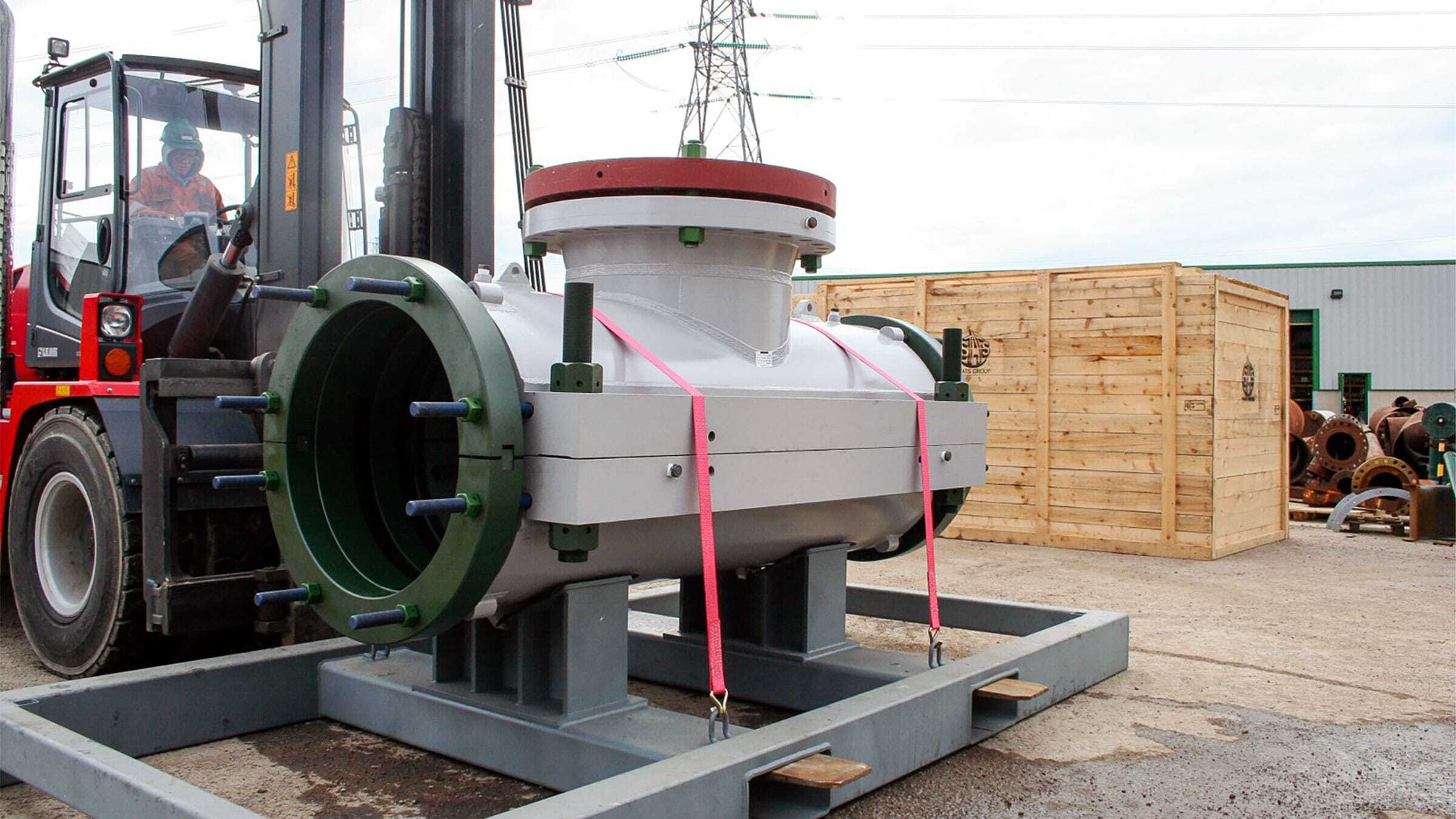
Local Everywhere
Instead of flying people and equipment all over the world, we've set up fully-functional bases in nine strategic locations. These bases enable us to employ local technicians, work with local manufacturers, and invest in local economies. They're a significant investment, but our regional bases are key to delivering the best possible service for our clients - and minimising the environmental impact of our work.
