
Case Study
½" to 18" E-PEPs, Kashagan Oilfield, Kazakhstan
Tool - Pipe End Plugs
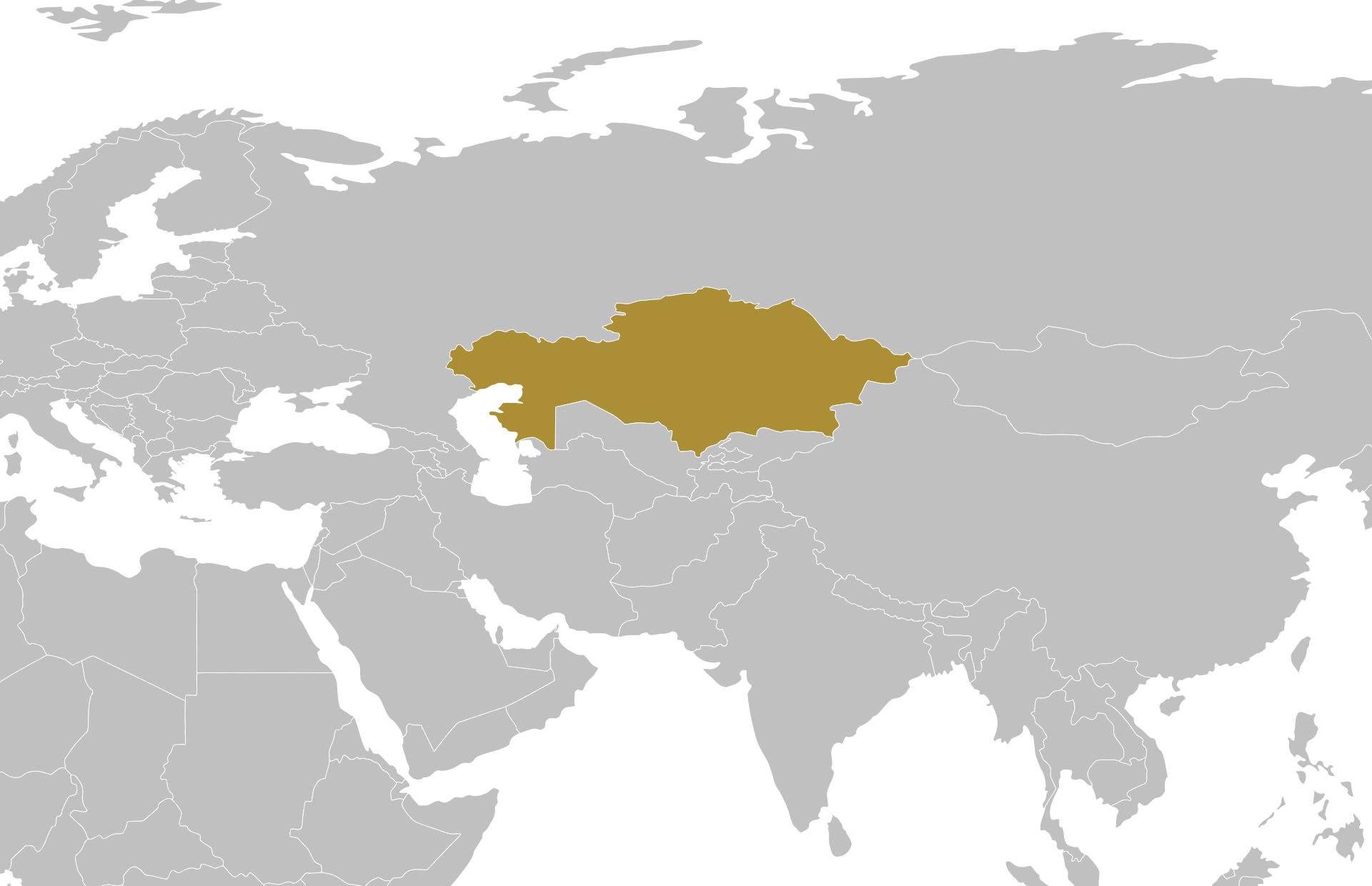
Location - Kazakhstan
Operating Environment - Onshore, Gas Plant, Pipeline Transmission
Pipeline Medium - Ambient
Activity - Commissioning / Recommissioning, Maintenance
Discovered in July 2000 the Kashagan oilfield is one of the most important oil finds in recent times. It is estimated to hold 38 billion barrels of oil, with a potential recoverable reserve of 16 billion barrels. At peak production, it is expected to produce 1.5 million barrels of oil per day, and will eventually double Kazakhstan’s oil output to 3 million barrels per day – equal to 4% of current world production. The field is being developed by a group of partners including Shell, Exxon Mobil, Total, ConocoPhillips, Kazakh state-run oil company KazMunaiGas, INPEX and AgipKCO (Eni).
10,000 Hydrostatic Tests at the Kashagan Oilfield - E-PEPs Eliminate Sacrificial End Cap Welding at Scale
The construction of the process and production infrastructure at the Kashagan oilfield in Kazakhstan required approximately 10,000 hydrostatic tests across the pipework being built. Each test traditionally requires a temporary end cap - welded on before the test, cut off afterwards. At that volume, the time, cost, and waste associated with sacrificial end cap welding become a significant programme challenge.
BJ Services Company Middle East Ltd approached STATS to supply a range of E-PEPs - External Pipe End Plugs - as a faster, cleaner alternative for the full testing programme.
The Challenge: End Cap Welding at Scale
The conventional approach to hydrostatic testing requires sacrificial end caps to be welded onto each pipe end before pressurisation, then cut off and remediated after the test is complete. For a construction programme of this scale - approximately 10,000 tests across a range of pipe sizes from 1/2" to 18" - the cumulative time, labour, welding consumables, and remedial work represent a substantial cost and schedule burden.
Kashagan is one of the world's most significant oil developments, located in the shallow waters of the north Caspian Sea and requiring construction across a series of artificial islands in a harsh climate where winter temperatures fall to -20 degrees Celsius and the waters freeze completely for several months of the year. Every opportunity to reduce cost and improve efficiency in the construction programme was actively sought.
The Solution: E-PEPs Across 1/2" to 18"
STATS supplied a range of E-PEPs covering 1/2" to 18" pipe sizes - sufficient to cover the full scope of hydrostatic tests required across the Kashagan construction programme. The E-PEP eliminates the welded end cap entirely, replacing it with a reusable, hydraulically activated plug that can be installed and activated in minutes.
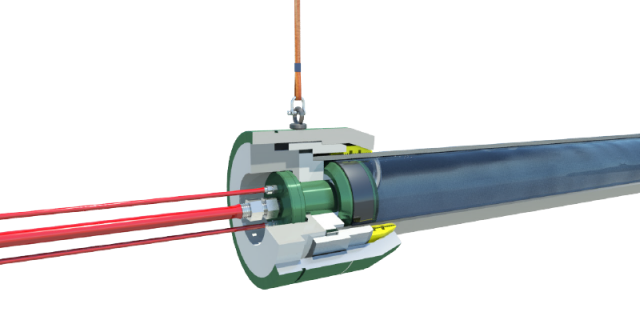
The E-PEP series of self-energising external grip plugs are fitted to the plain pipe end and hydraulically actuated. Applying hydraulic pressure to the set circuit activates a mechanical lock assembly that grips the outside diameter of the pipe, while simultaneously energising an elastomeric seal against the internal bore. This provides a leak-tight test boundary with no preparation to the pipe end required beyond ensuring it is clean and accessible.
A through port built into the E-PEP allows the pipework to be filled, pressurised, and vented directly through the plug, without any additional fittings. High quality elastomeric seals with generous radial clearance accommodate typical internal obstructions such as weld beads or pipe ovality without compromising the seal.
Removal is equally straightforward: applying hydraulic pressure to the unset circuit retracts the lock assembly, de-energises the seal, and releases the tool cleanly from the pipe end - with no remedial work required to the pipe afterwards.
Benefits at Construction Scale
For a programme requiring approximately 10,000 hydrostatic tests, the advantages of E-PEPs over sacrificial end cap welding compound significantly with volume. Each test cycle - install, pressurise, vent, remove - takes minutes rather than the hours required to weld, test, cut, and remediate a traditional end cap. The elimination of welding consumables and sacrificial cap material also reduces the environmental impact of the testing programme.
Highlights
- 1/2" to 18" E-PEPs supplied across the full range of pipe sizes for a single construction programme.
- Approximately 10,000 hydrostatic tests required across the Kashagan process and production infrastructure build.
- Eliminated the need for welding and cutting sacrificial end caps on every test connection.
- Hydraulically activated in minutes - no pipe end preparation required and no remedial work on removal.
- Generous radial clearance handles internal obstructions including weld beads and pipe ovality.
- Reduces environmental impact by eliminating welding consumables and sacrificial cap material at scale.
Contact Us