Firstgas Delivers Critical Wrinkle Remediation Project While Maintaining Gas Supply Using STATS BISEP Technology

Tool - BISEP Line Stopping Tool
Location - New Zealand

New Zealand location on a map
Operating Environment - Onshore, Pipeline Transmission
Pipeline Medium - Gas
Activity - Pipeline Repair, Maintenance
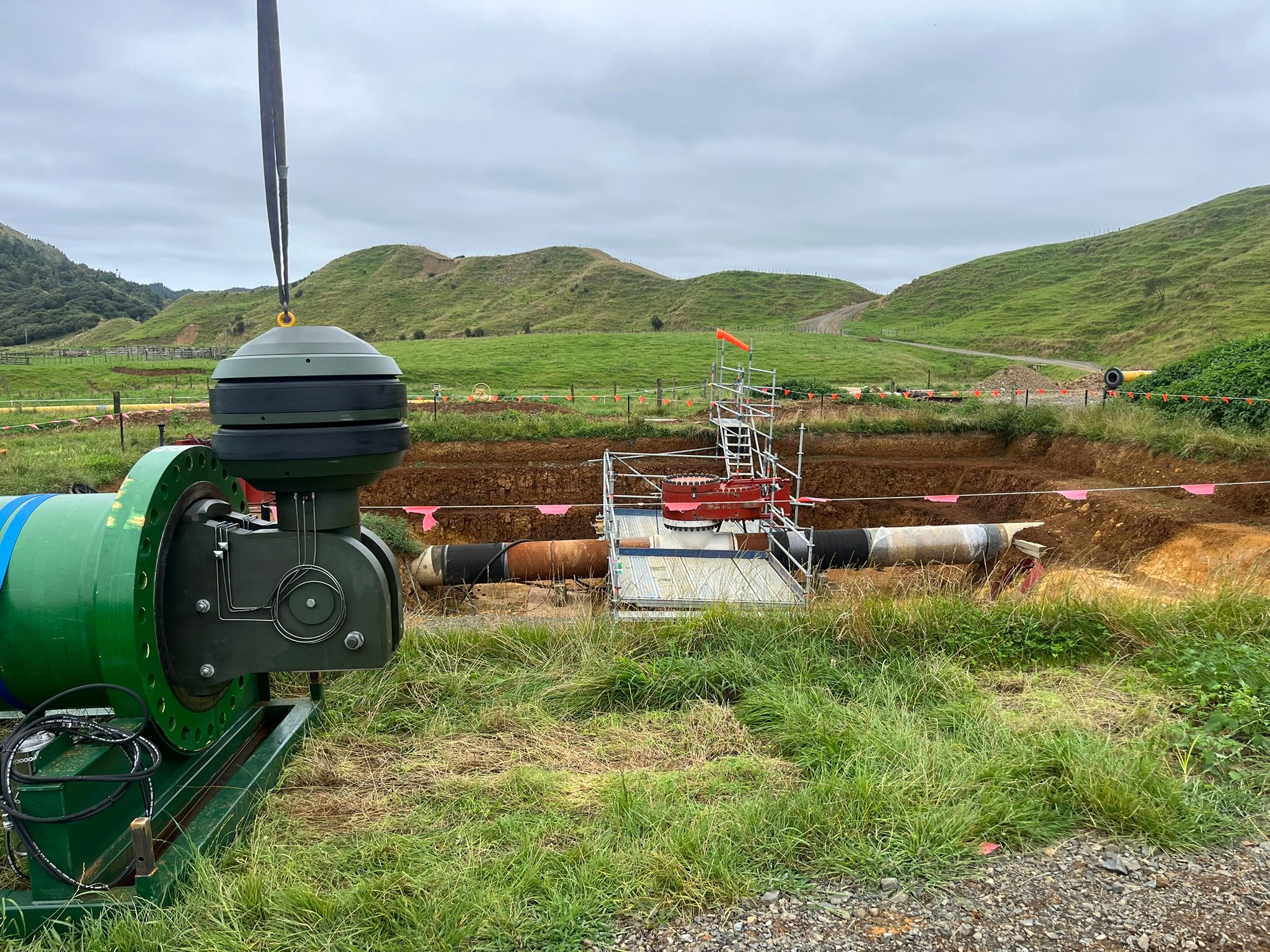
2. 30in BISEP pre-deployment

New Zealand gas transmission operator First Gas Limited (Firstgas) has successfully completed a major pipeline remediation project on its critical 400 Pipeline, maintaining uninterrupted gas supply throughout the operation using STATS Group's patented BISEP® isolation technology.
Keeping New Zealand's Gas Flowing

The project marks the second successful deployment of STATS BISEP technology by Firstgas, following the investment in two 8” BISEP tools as part of its strategic line stopping equipment fleet. The investment reflects Firstgas' commitment to enhancing safety, operational flexibility and environmental performance across New Zealand's gas transmission network.

Owned and operated by Firstgas, the 30” 400 Pipeline transports more than 80 per cent of New Zealand's natural gas production from Taranaki to the upper North Island. Following an in-line inspection (ILI) campaign, a wrinkle defect was identified on the pipeline, requiring remediation to ensure the long-term integrity of the asset.

Given the strategic importance of the pipeline, Firstgas sought a solution that would allow replacement of the affected section without interrupting supply to customers.

Leak-Tight Isolation, Continuous Supply

To facilitate the repair, two 30” BISEPs were deployed approximately 500m apart between the Mokau Compressor Station and the Mahoenui Scraper Station, immediately upstream of the Awakau Main Line Valve.

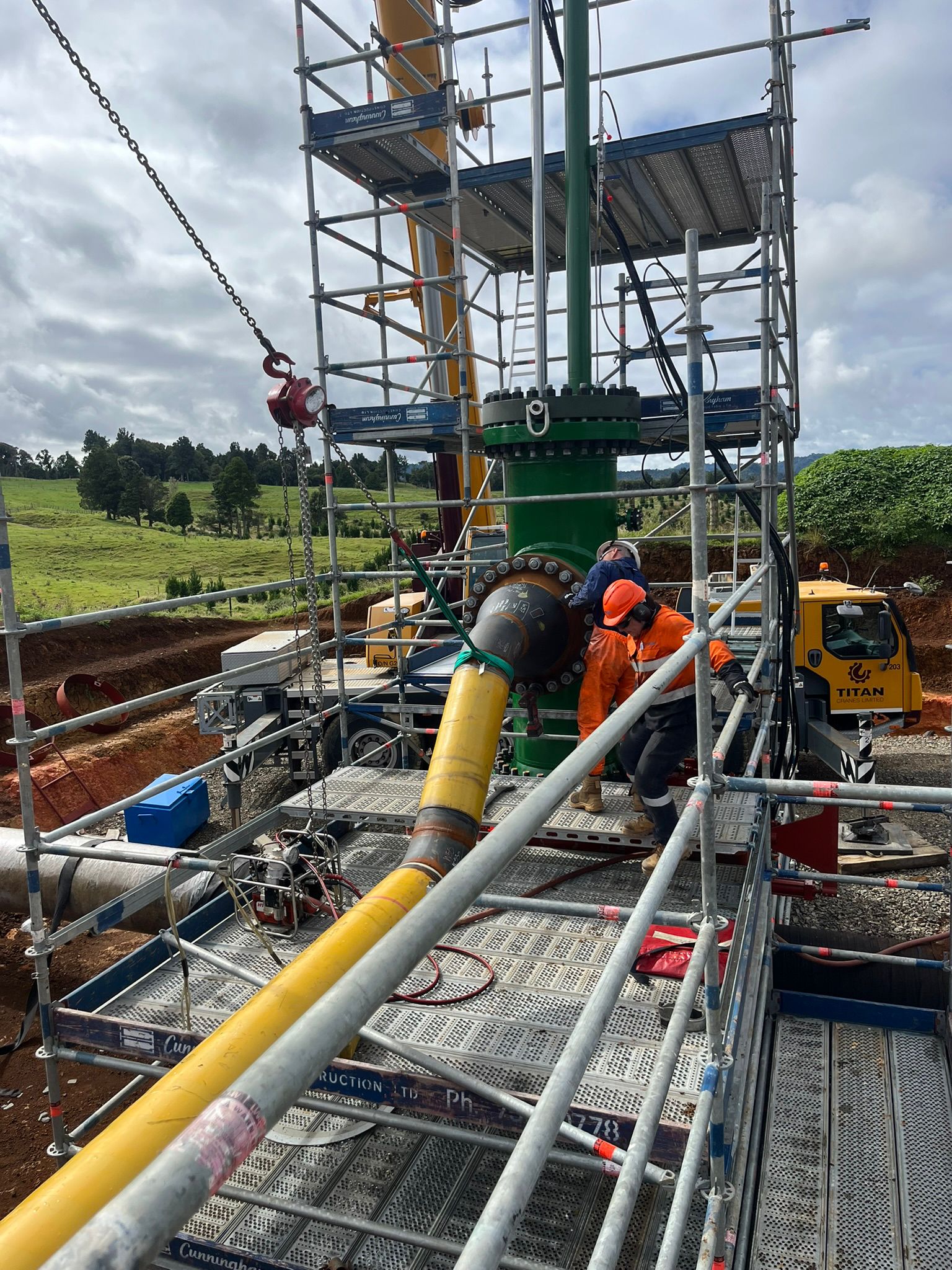
The patented BISEP technology provided localised, fail-safe double block and bleed (DBB) isolation while an integrated 12” bypass line maintained uninterrupted gas flow around the repair location. This enabled Firstgas to safely isolate the defective section while keeping the pipeline fully operational.

Unlike conventional line stop technologies that rely on a single sealing barrier, the STATS BISEP incorporates dual independently tested seals with a monitored annulus, creating a proven zero-energy zone throughout the work scope and providing the highest level of isolation assurance for safety critical interventions. The technology is the only DNV Type Approved line stop tool, providing operators with independently verified assurance of isolation integrity.

For Firstgas, the integrated bypass capability offered additional project benefits by reducing the number of hot taps, split tees and permanent fittings remaining on the pipeline, minimising long-term impact on the asset while reducing operational risk.

3. BISEP in the distance with temporary bypass around new pipeline

Highlights

  • New Zealand’s first large-diameter BISEP deployment.
  • Uninterrupted gas supply.
  • A 0.5 km, 12-inch bypass maintained gas flow while reducing the number of hot taps, split tees, permanent fittings and in-service welds required.
  • 35-day leak-tight isolation at 66 bar.
  • Reduced emissions and environmental impact.
  • High-integrity isolation assurance.
1. Temporary bypass installed to BISEP launcher

Extended Isolation Supports Complex Repair

A key requirement of the project was the ability to safely maintain high integrity isolations over an extended period, while extensive de-straining and replacement activities were completed.

Throughout the project STATS delivered continuous, leak-tight double block and bleed isolations for 35 days, on a live gas pipeline operating at 66 bar. The extended isolation period provided the Firstgas project team with the time and confidence required to execute the complex repair safely.

Reducing Risk While Maintaining Flow

According to Firstgas, the decision to utilise the BISEP technology was driven by both safety and operational considerations.

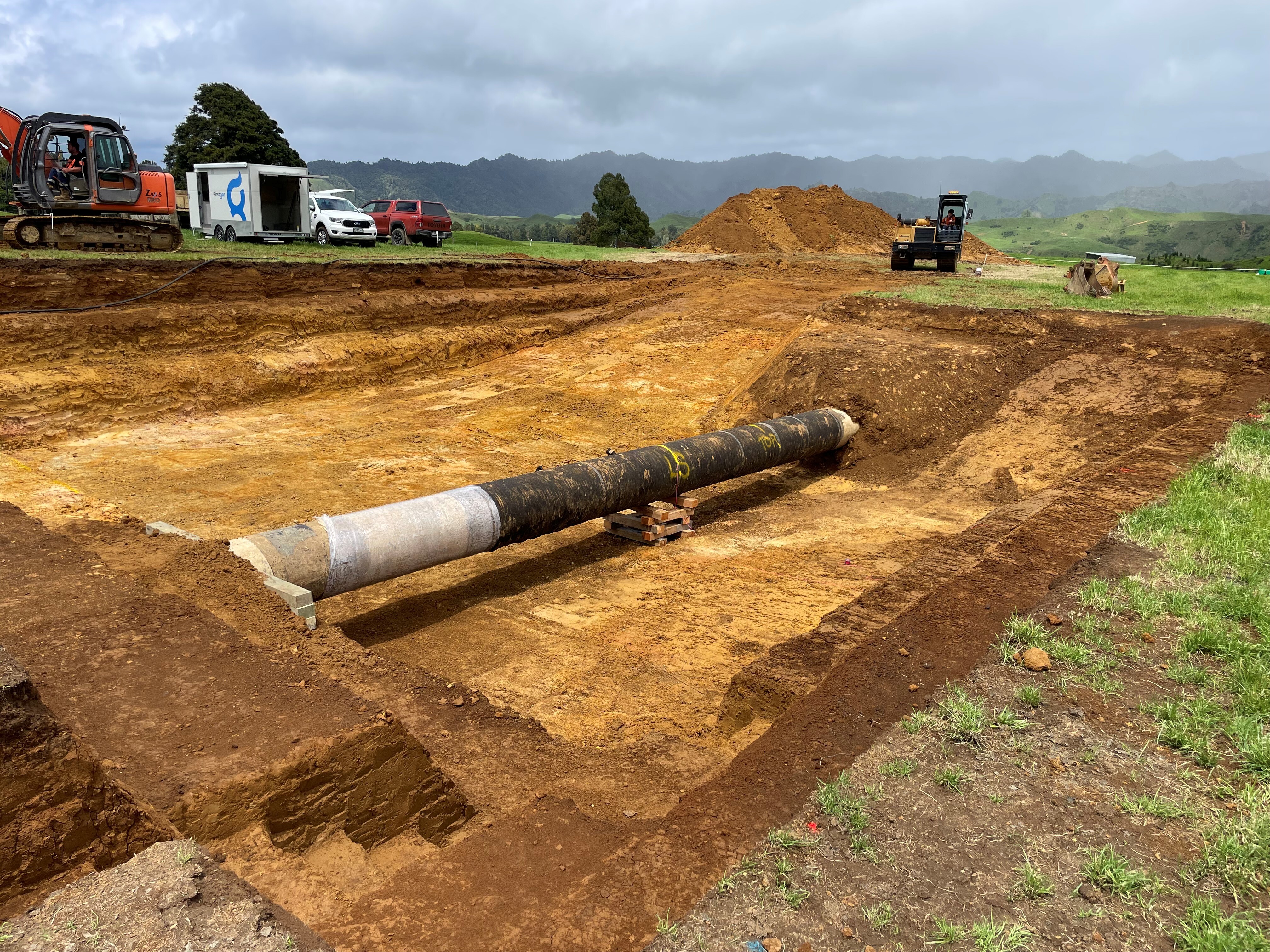
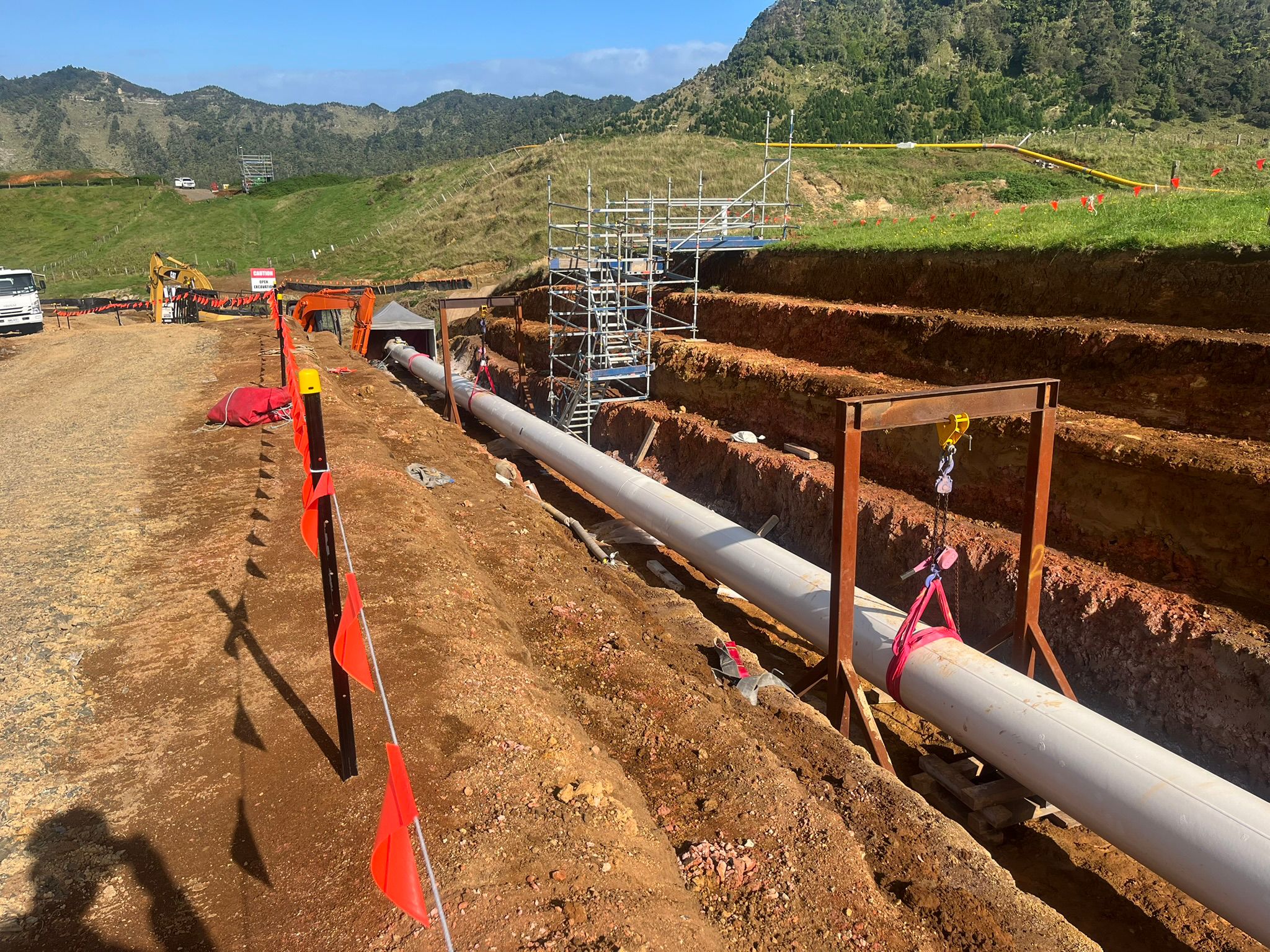
5. Pipeline excavation at isolation site 2

This was a critical project for Firstgas given the significance of the 400 Pipeline to New Zealand's gas supply. The scope and methodology for replacing the wrinkled pipeline section was carefully evaluated and ultimately we determined STATS BISEP was the preferred option to provide localised DBB isolation at the defect location. With the additional benefit of the integrated bypass, we were able to construct 500m of bypass pipeline tied into the BISEP launchers, reducing the number of fittings, in-service welding and hot tapping, substantially lowering the overall project risk. Given the nature and location of the defect, there was a significant amount of de-straining required before we could safely cut the pipeline. Using the BISEPs to provide continuously monitored DBB isolation while maintaining gas supply gave us the confidence, and above all, the time to complete the repair safely.

firstgas logo
James Graham
Specialist Trades Manager
Firstgas

New Zealand First

The project also achieved several significant milestones for the New Zealand pipeline industry.

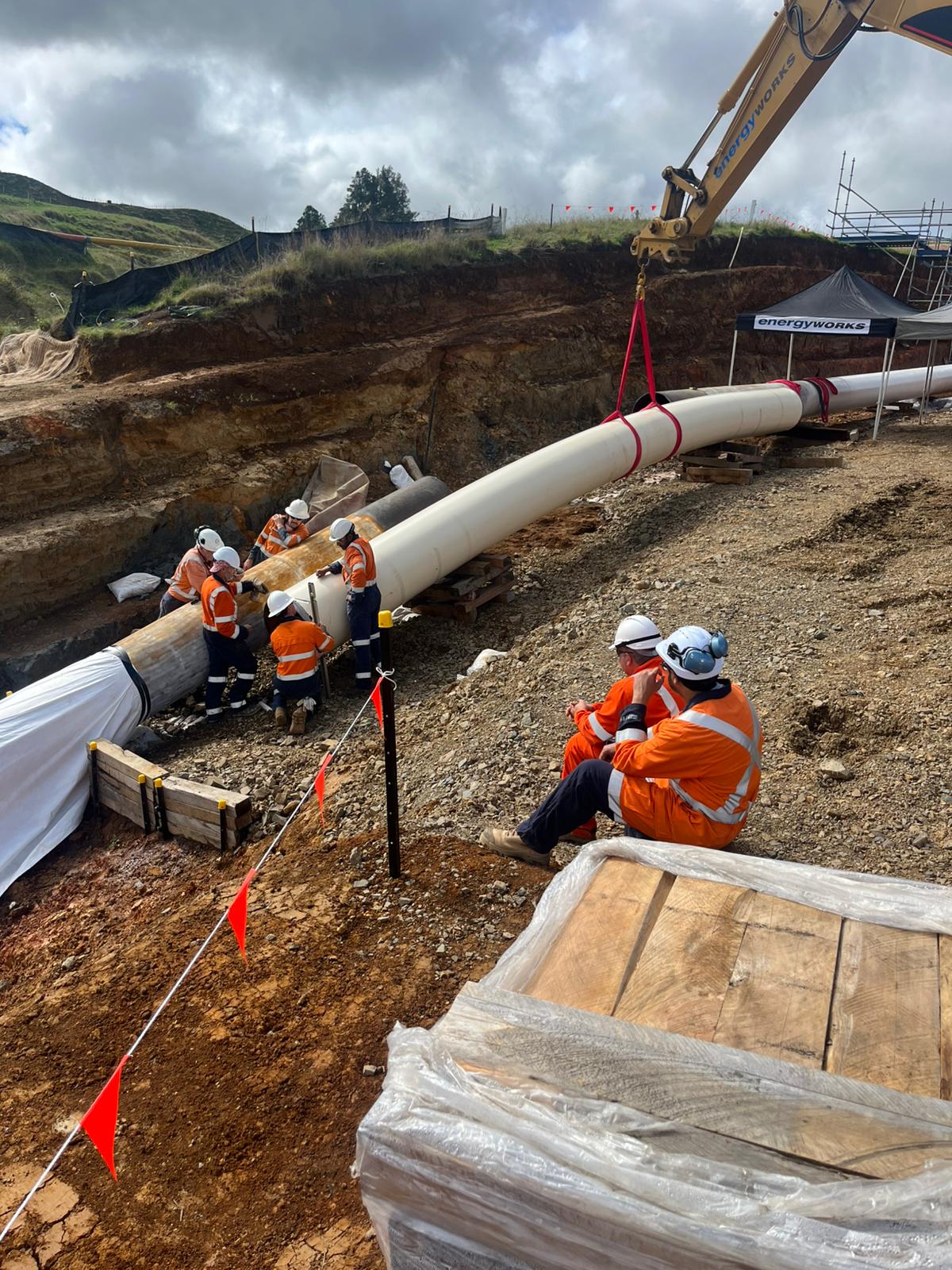
4. New Pipeline Tie-In Activities

This project marked New Zealand's first deployment of the BISEP on a large diameter transmission pipeline incorporating a 0.5km bypass. By utilising the BISEP, not only was gas supply to Firstgas customers maintained, but the release of large quantities of gas and associated environmental impacts were eliminated. The worksite itself presented further complexity, being both remote and geographically constrained, which required careful planning for the mobilisation and operation of heavy equipment. Through close coordination with the STATS team, Firstgas delivered this critical project safely and in line with the project's key performance indicators.

firstgas logo
Adeel Mushtaq
Project Manager
Firstgas

Building on a Successful Partnership

The wrinkle remediation project follows Firstgas' initial deployment of STATS BISEP technology and further demonstrates the value of operators investing in advanced, high-integrity isolation technology to support the planned maintenance, integrity management and emergency repair of their transmission pipeline networks.

By combining fail-safe DBB isolation, integrated bypass capability and independently verified sealing performance, the BISEP enabled Firstgas to execute a complex integrity repair while maintaining uninterrupted service to customers, eliminating the need for pipeline shutdown and large-scale gas venting, reducing environmental impact and preserving the integrity of one of New Zealand's most critical energy infrastructure assets.

As operators across Australasia continue to focus on safety, emissions reduction and network resilience, projects such as Awakau demonstrate how advanced isolation technologies are helping pipeline owners complete increasingly complex interventions without compromising operational continuity. This successful project demonstrates what can be achieved through early planning, close collaboration and the application of high-integrity isolation technology. The partnership between STATS and Firstgas enabled a critical pipeline repair to be completed safely, efficiently and without interrupting gas supply.

STATS Group logo
Ragesh Ravi
Project Manager
STATS Group

Contact Us

Tell us about your requirements