Utilising hot tapping and BISEP line stopping to maintain flow during subsea pipeline tie-ins

Tool - Subsea BISEP Line Stopping Tool, Subsea SureTap Hot Tap Machine
Location - East China Sea
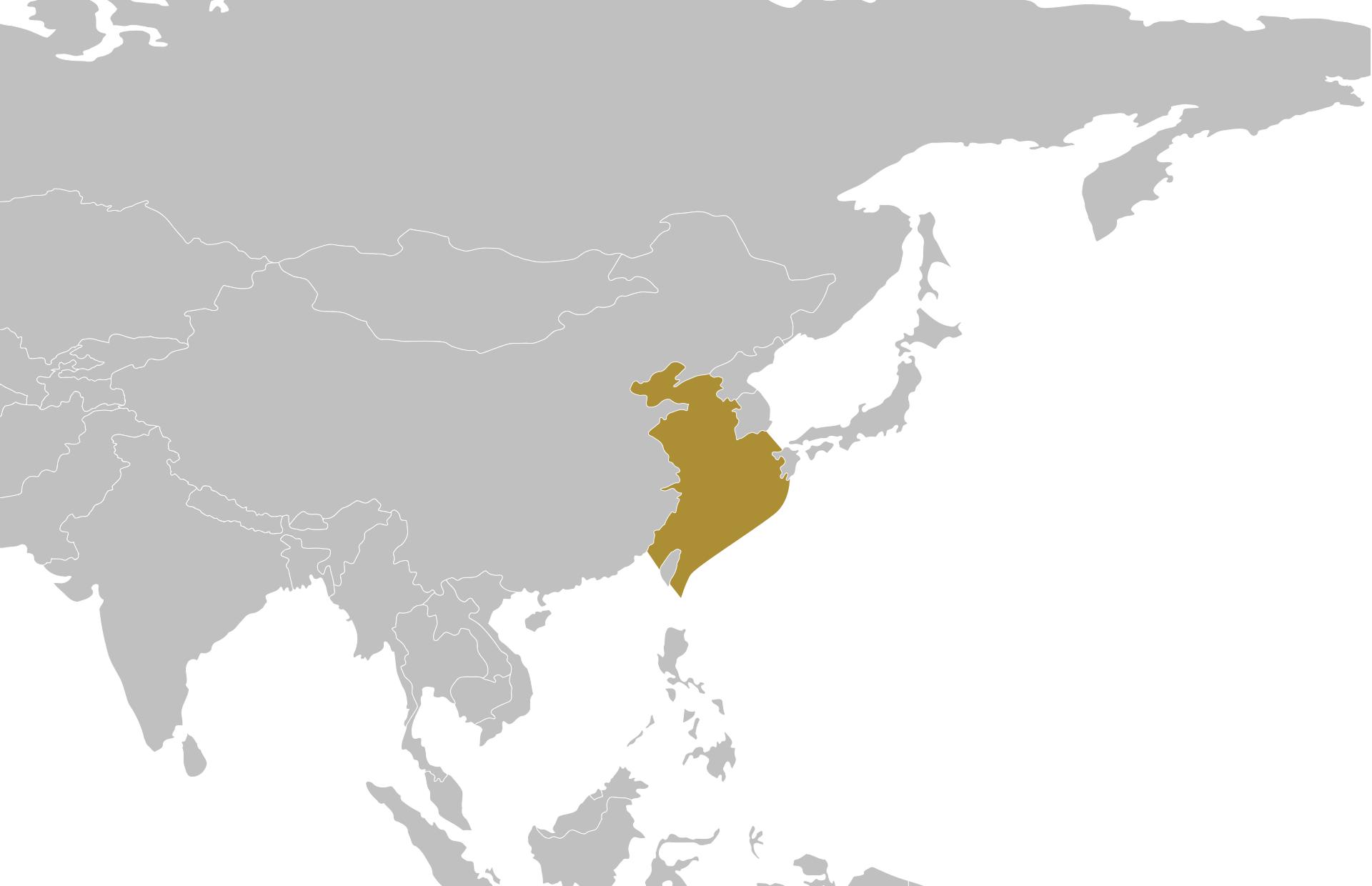
East China Sea location on a map
Operating Environment - Offshore Subsea
Pipeline Medium - Gas
Activity - Tie-In / Reroute
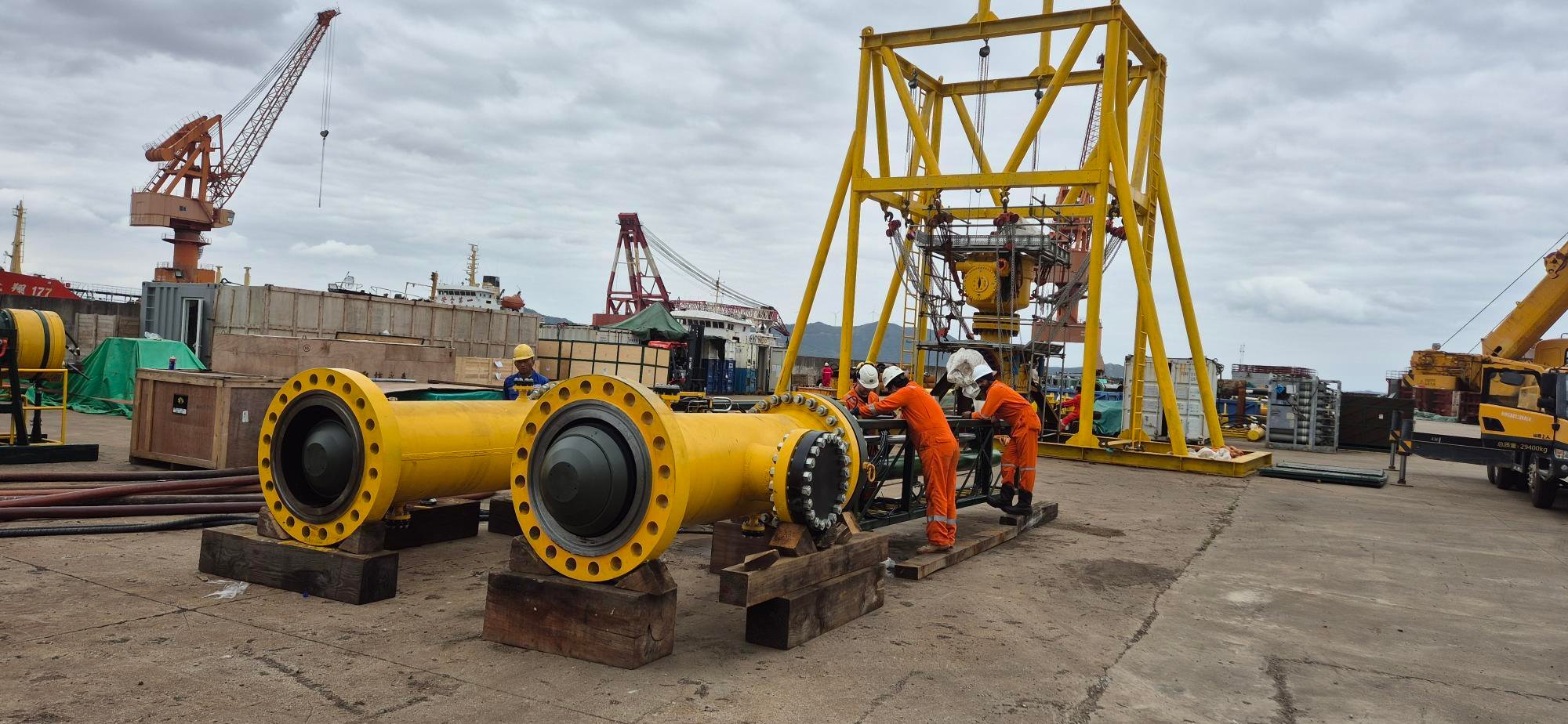
28in Subsea BISEPs awaiting deployment

STATS Group has completed a landmark subsea pipeline isolation and tie-in project in Asia Pacific, allowing a new offshore platform to be connected to an existing gas pipeline while production continued uninterrupted.

Subsea Pipeline Tie-in Without Interrupting Gas Production

The project involved a high-pressure 28-inch subsea gas pipeline operating at 82 bar and marks the first subsea deployment of STATS’ BISEP® line stopping technology with an integrated bypass system in the region. The solution enabled the operator to isolate a section of live pipeline safely, carry out tie-in works, and maintain gas flow throughout the operation.

The work was delivered for a major Chinese engineering contractor supporting the development of a new offshore platform. A full shutdown of the pipeline was not considered viable because of the importance of maintaining gas supply and avoiding the commercial and operational impact of lost production.

Highlights

  • First regional subsea BISEP deployment with integrated bypass.
  • Production maintained throughout the tie-in, avoiding shutdown.
  • Integrated bypass reduced complexity, removing the need for a separate bypass arrangement and minimising subsea intervention.
  • 28-day isolation completed successfully, enabling the new offshore platform to be connected safely to existing subsea infrastructure.
  • Leak-tight, Double Block and Bleed isolation meets IMCA diver safety requirements, which mandate double block and bleed barriers for all subsea intervention work.
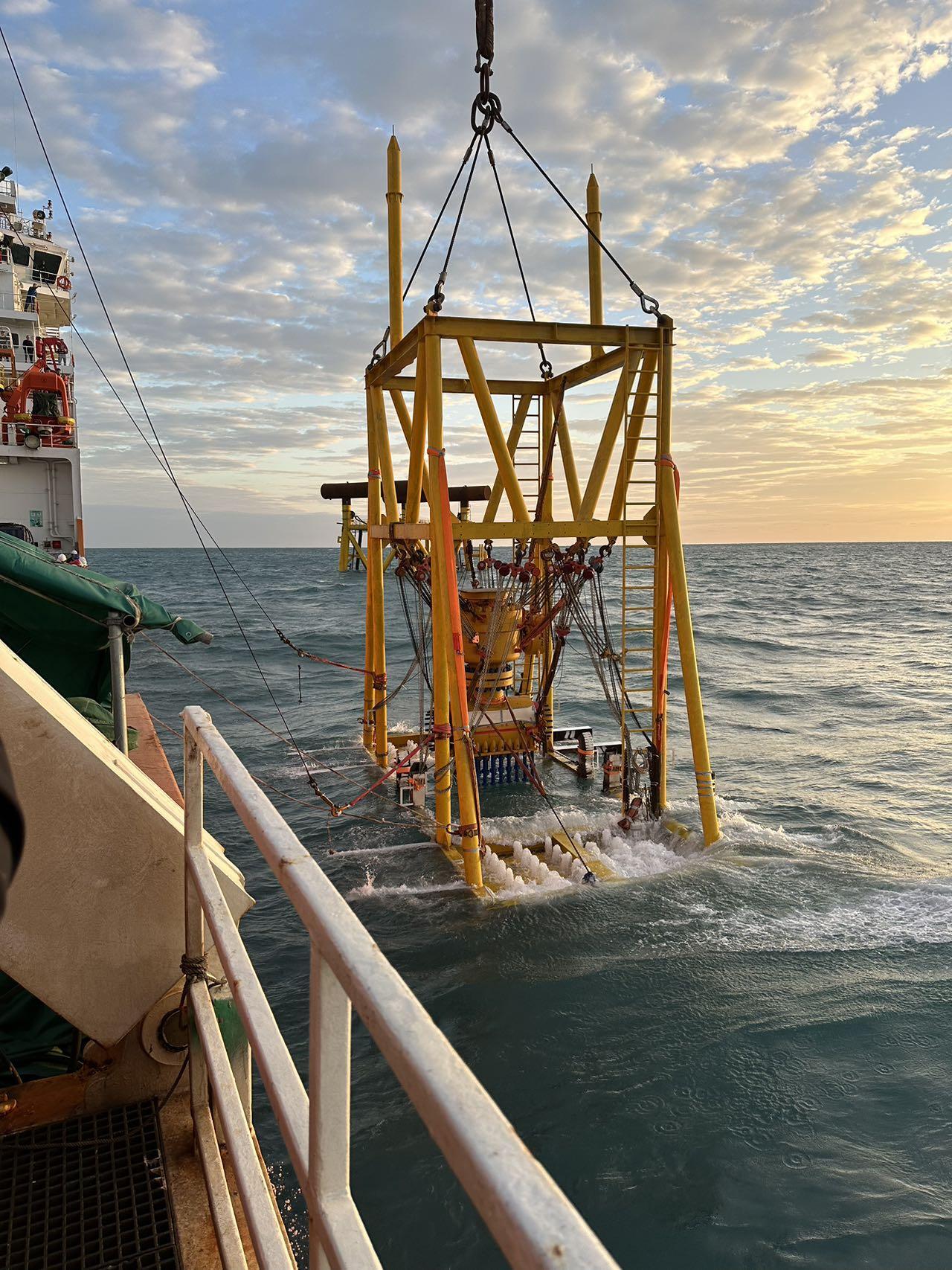
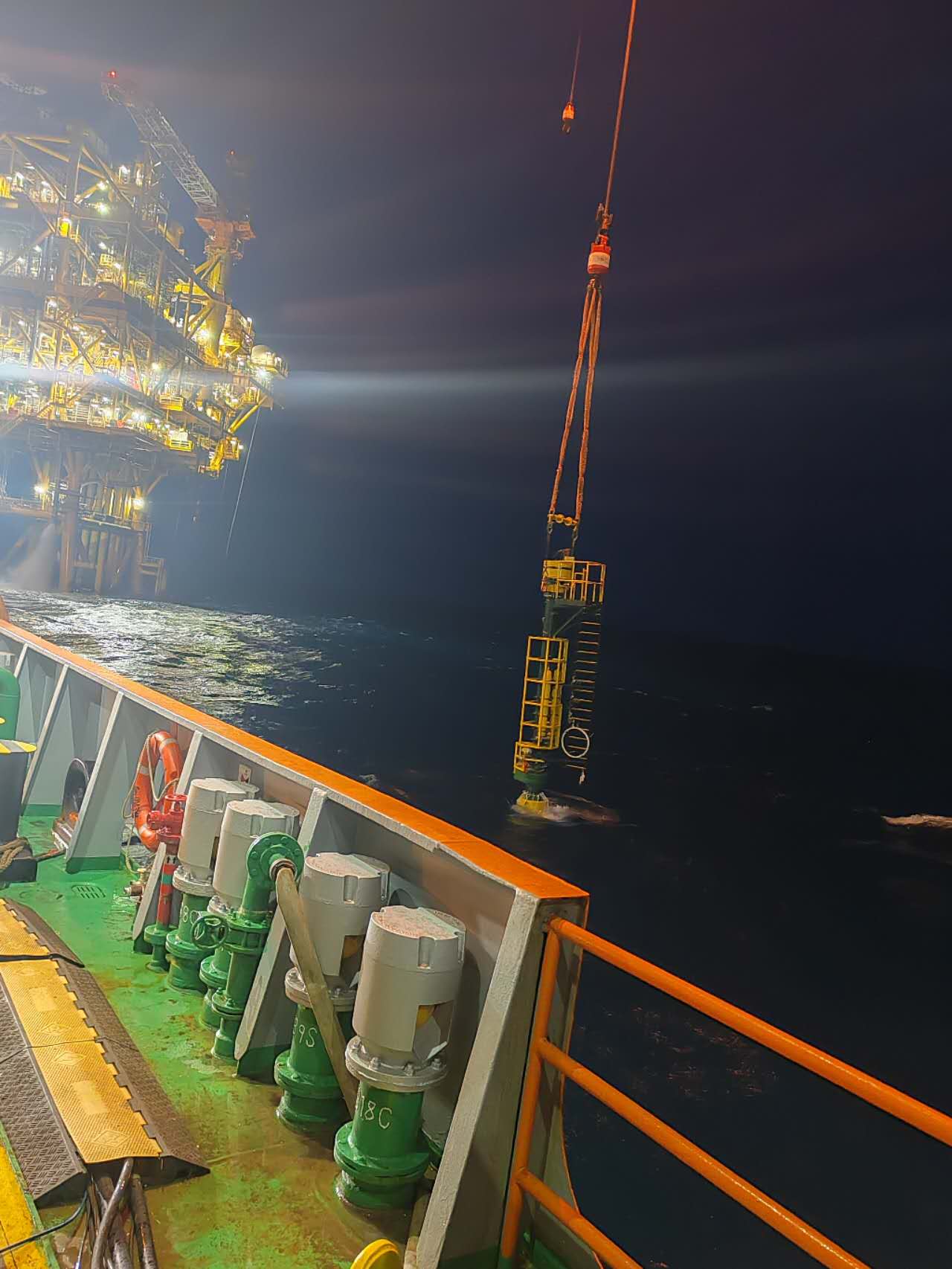
Mechanical Clamp and Full Bore Valve lowered to seabed

Keeping Gas Flowing While Subsea Networks Expand

Subsea pipelines play a critical role in offshore energy infrastructure, transporting gas and other hydrocarbons from remote fields to processing facilities and end users. As operators look to develop new fields, extend the life of existing assets and improve energy security, the ability to connect new infrastructure without shutting down production is becoming increasingly important.

Traditionally, a new tie-in to an existing pipeline could require a full or partial shutdown, particularly where no pre-installed connection point exists. In live gas networks, such interruptions can create significant challenges, from deferred revenue and contractual penalties to potential supply constraints. Hot tapping and line stopping technologies offer an alternative by allowing operators to modify or expand pipeline systems while they remain in service.

BISEP in Action: Safe Isolation on a Live Subsea Pipeline

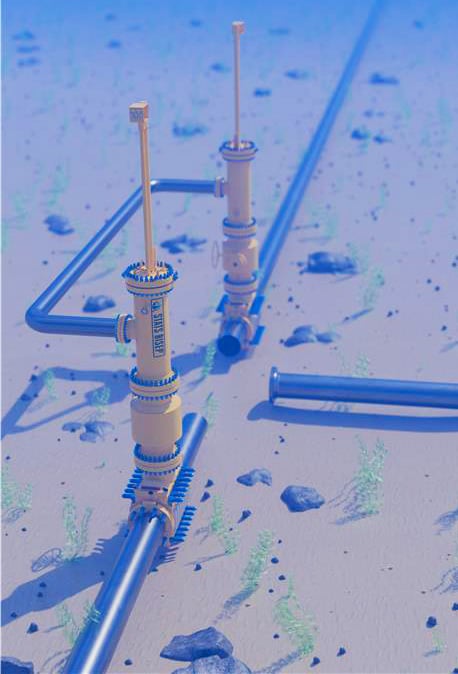
For this project, STATS deployed two BISEP line stop tools 74 metres apart to isolate the target section of pipeline. The tools provided a verified double block and bleed isolation, creating a safe worksite for the tie-in while an integrated bypass allowed gas to continue flowing around the isolated section.

This approach reduced the need for additional subsea intervention work and helped simplify the offshore scope. It also avoided the need to depressurise the entire pipeline, an important consideration for a system operating at high pressure and serving critical gas demand.

The operation began with hot tapping through client-supplied mechanical clamps and full-bore valves. STATS used its SureTap® hot tapping systems to create the access points needed to deploy the BISEP technology and recover the cut sections of pipe, known as coupons, from the pipeline.

Once the hot taps were complete, the BISEP tools were installed into the flowing pipeline and activated to form a leak-tight isolation. Each isolation was tested and verified before the isolated section was depressurised, vented and prepared for cutting. STATS then issued an isolation certificate, allowing the client to proceed with breaking containment and tie-in activities.

SureTap ST1530-90 XL deployment

28 Days of Isolation, Zero Loss of Flow

STATS also provided lightweight mechanical strap clamps and additional small hot taps to support venting and purging of the isolated spool. The pipeline section was then cut and removed, creating the access required to connect the new field development to the existing subsea infrastructure.

A key feature of the project was the integrated bypass through the BISEP launcher. This maintained product flow during the isolation period and removed the need for a separate, more complex bypass arrangement. By reducing the number of hot tap branches and mechanical clamps required, the configuration helped lower project complexity and minimise diver intervention.

The pipeline remained isolated for 28 days while the tie-in was completed. Following successful completion, the BISEP tools were recovered, the bypass pipework was decommissioned and removed, and completion plugs and blind flanges were installed to reinstate the system safely.

Fail-safe Isolation Successfully Completed

The project was executed with zero disruption to production, reduced offshore scope and a compressed schedule. The successful outcome was a result of detailed planning, engineering validation and disciplined execution, supported by system integration testing in China before offshore deployment.

The achievement underlines the growing role of live pipeline intervention as operators seek to maintain output while adapting ageing or expanding infrastructure. For gas networks in particular, the ability to complete major subsea works without interrupting flow can support supply security and help reduce the cost and risk associated with shutdown-dependent strategies.

This was both a challenging and highly rewarding project, and I am extremely proud to have been part of the team that successfully delivered the first subsea BISEP project featuring an integrated bypass system. The success of this operation reflects STATS Group’s broader capability in executing complex subsea pipeline intervention solutions. We have now established extensive experience and a proven track record across subsea pipeline diameters ranging from 8 inches to 48 inches, supporting projects throughout Asia Pacific, the Middle East and the Gulf of Mexico.

STATS Group logo
Alasdair Arthur
Project Manager
STATS Group

Regional Milestone in Hot Tapping, Line Stopping and Subsea Pipeline Isolation

The wider significance of the project extends beyond a single tie-in. Offshore assets are ageing, new fields are being brought onstream and operators are increasingly looking for ways to reconfigure, repair or repurpose infrastructure without interrupting production. Technologies that can provide verified isolation while keeping pipelines live are becoming central to that shift.

The successful subsea deployment of the BISEP with an integrated bypass demonstrates how established pipeline intervention methods are being adapted for more complex offshore environments. By maintaining production, reducing subsea scope and providing a verified isolation, the project delivered safety, cost and operational benefits for the pipeline operator.

As energy companies balance reliability, supply security and asset life extension, live intervention techniques are expected to play an increasing role in future subsea developments. For STATS Group, the project adds another regional milestone to its track record in hot tapping, line stopping and subsea pipeline isolation.

Subsea BISEP and Integrated Bypass

Contact Us

Tell us about your requirements