Case Study
20” Tethered Tecno Plug, Main Oil Line Nahada to Mina Al Fahal, Oman
Tool - Tecno Plug Isolation Tool
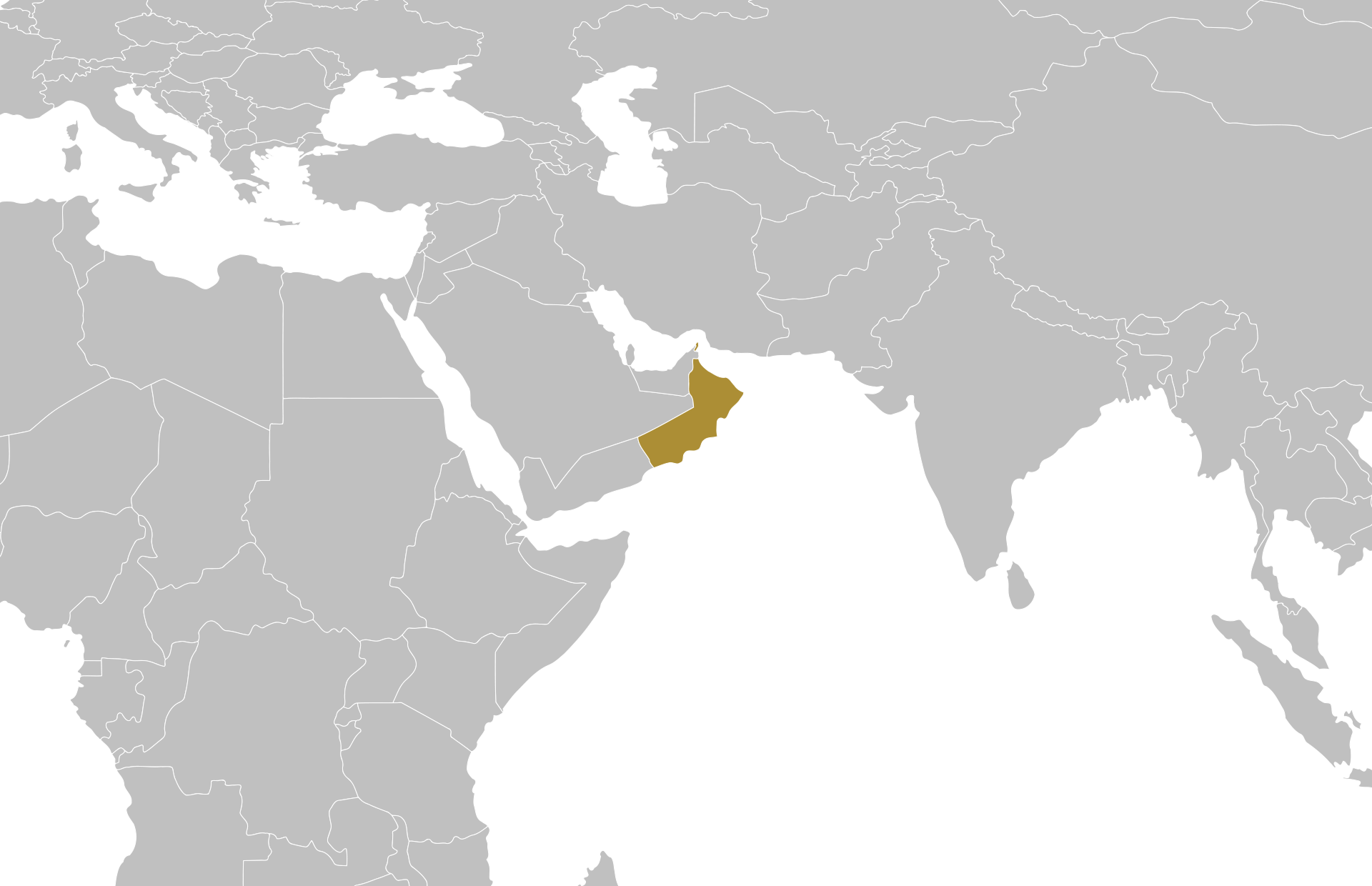
Location - Oman
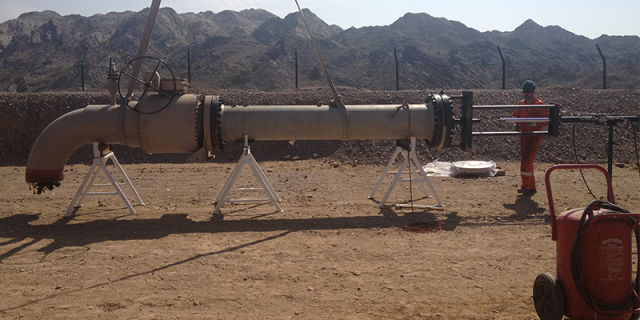
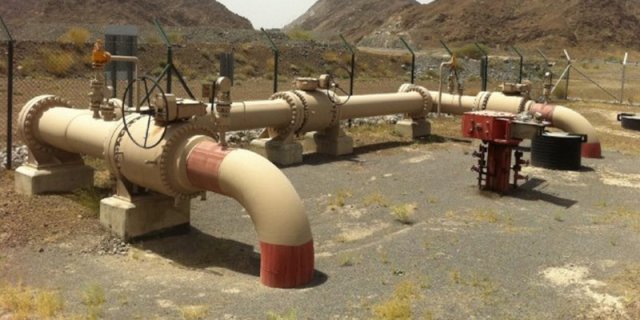
Petroleum Development Oman (PDO) had a requirement to remove 14 bends from 20” bypass pipework around block valves on their main oil pipeline while the line remained live and at operating pressure.
Tethered Tecno Plug in 1.5D Bends: Isolating PDO’s Live 20” Oil Line Bypass Without Shutdown
Petroleum Development Oman (PDO) operates the most extensive hydrocarbon production network in the Sultanate of Oman - over 1,760 kilometres of main oil pipeline, accounting for more than 70% of the country’s crude oil production and virtually all of its natural gas supply. When routine inspection revealed serious internal corrosion on bypass pipework at 12 of the 31 Block Valve Stations on the main oil line, PDO needed a maintenance solution that would not force a production shutdown.
Five of the 12 stations were addressed during a planned outage. The remaining seven had to be isolated while the main oil line continued to flow at 55 bar (797 psi) operating pressure. The corroded 90-degree bends were 1.5D long-radius fittings - geometry that is not designed to be piggable - which ruled out standard isolation tools. STATS Group were approached to engineer a solution.
20in Pipeline Isolation Bend Removal
The Challenge: Corroded Bypass Pipework on a Live Oil Line That Cannot Stop
PDO’s upgrade strategy for the Block Valve Stations was clear in its objectives: remove the corroded bends entirely, reconfigure the bypass layout with a straight vertical section, and eliminate the stagnant product zones that had caused the original integrity issues. Straightforward in principle - but the execution left little room for error.
The seven sites that could not be shut down required bypass pipework isolation at full operating pressure, in access-restricted above-ground loop configurations, around bends that no standard pig or isolation tool was designed to negotiate. To position a sealing tool below the corroded section and hold it there safely while cutting and welding operations took place, STATS needed to design something new.
Highlights
- 12 of PDO’s 31 Block Valve Stations on the Nahada to Mina Al Fahal main oil line required bypass pipework maintenance following discovery of severe internal corrosion.
- Seven sites required live isolation at 55 bar (797 psi) - no production shutdown was available.
- 1.5D long-radius bends ruled out standard piggable isolation tools.
- STATS designed a compact Tethered Tecno Plug with dual seals in a single module, engineered specifically to negotiate the bend geometry
- A bespoke hydraulic deployment system provided precise tool positioning in the space-restricted bypass pipework.
- 14 bends removed across seven sites throughout Oman - completed three weeks ahead of the three-month schedule.
The STATS Solution: A Compact Tecno Plug Built for Non-Piggable Geometry
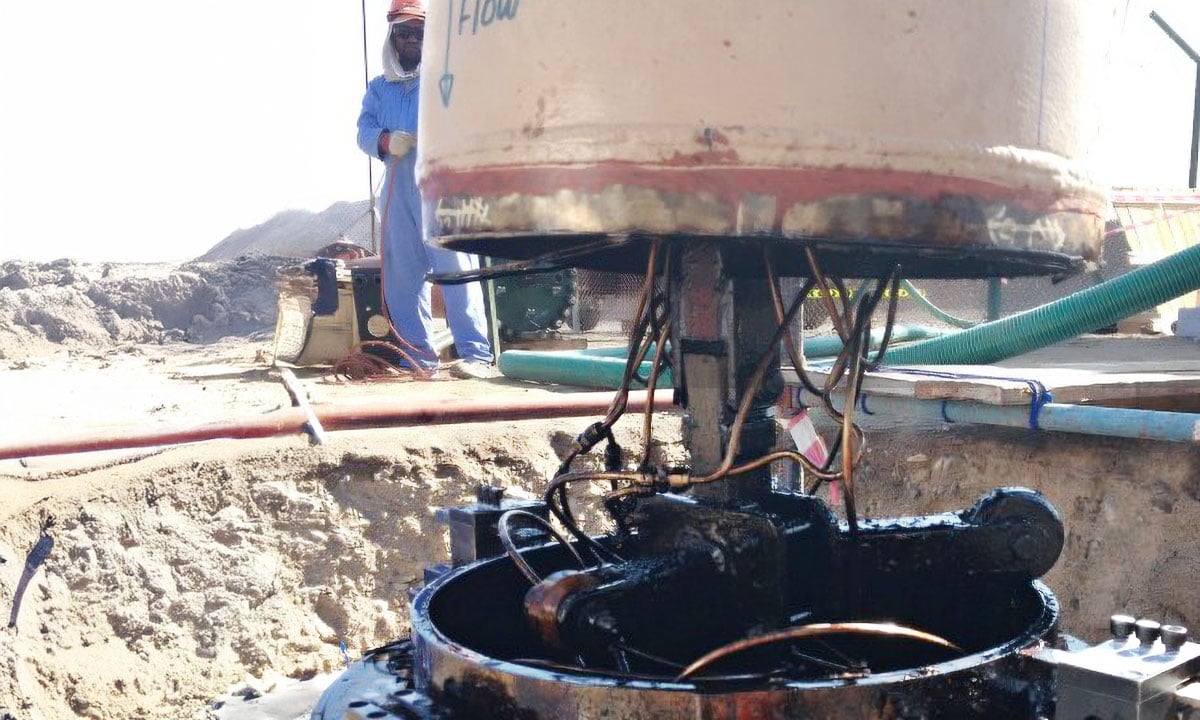
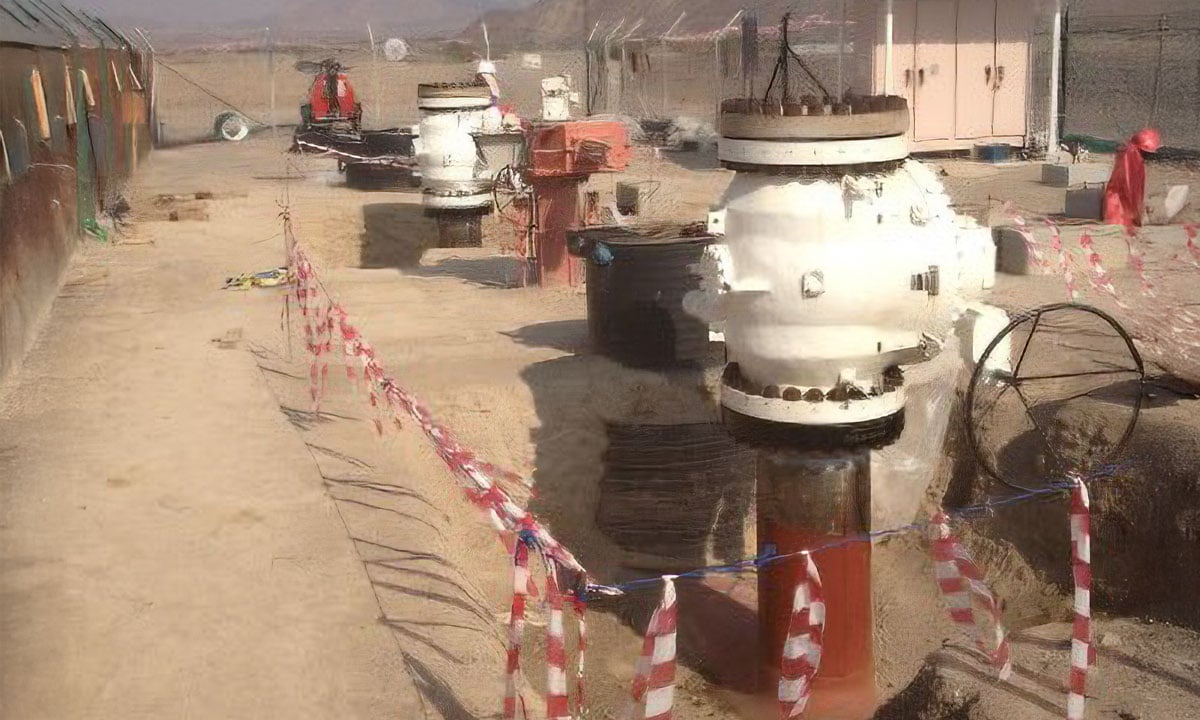
STATS proposed a tethered Tecno Plug deployed from a temporary launcher via a flexible stem bar. The key to making this work in 1.5D geometry was the Tecno Plug’s design: both seals are contained within a single compact module, giving the tool a short body that can be guided around tight radius curves that would defeat tools of a longer or more conventional configuration. As the Tecno Plug could be deployed around the corroded bend and positioned in the short pipe section below it, the bypass section could be isolated without interrupting the flow of the main oil line.
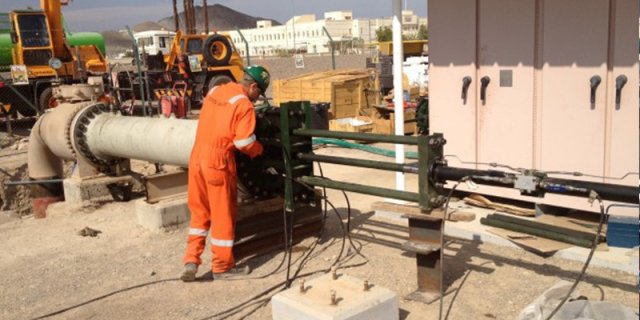
To control positioning precisely - critical in bypass pipework where space is restricted and the tool must land below the cut line - STATS engineered a bespoke hydraulic deployment system. This gave operators accurate, controlled placement of the Tecno Plug on each of the 14 isolation operations, and the same system facilitated clean recovery of the tool at each stage for transport and redeployment to the next location.
20in Pipeline Isolation Bend Removal
How Each Bend Was Removed: The Isolation and Upgrade Sequence
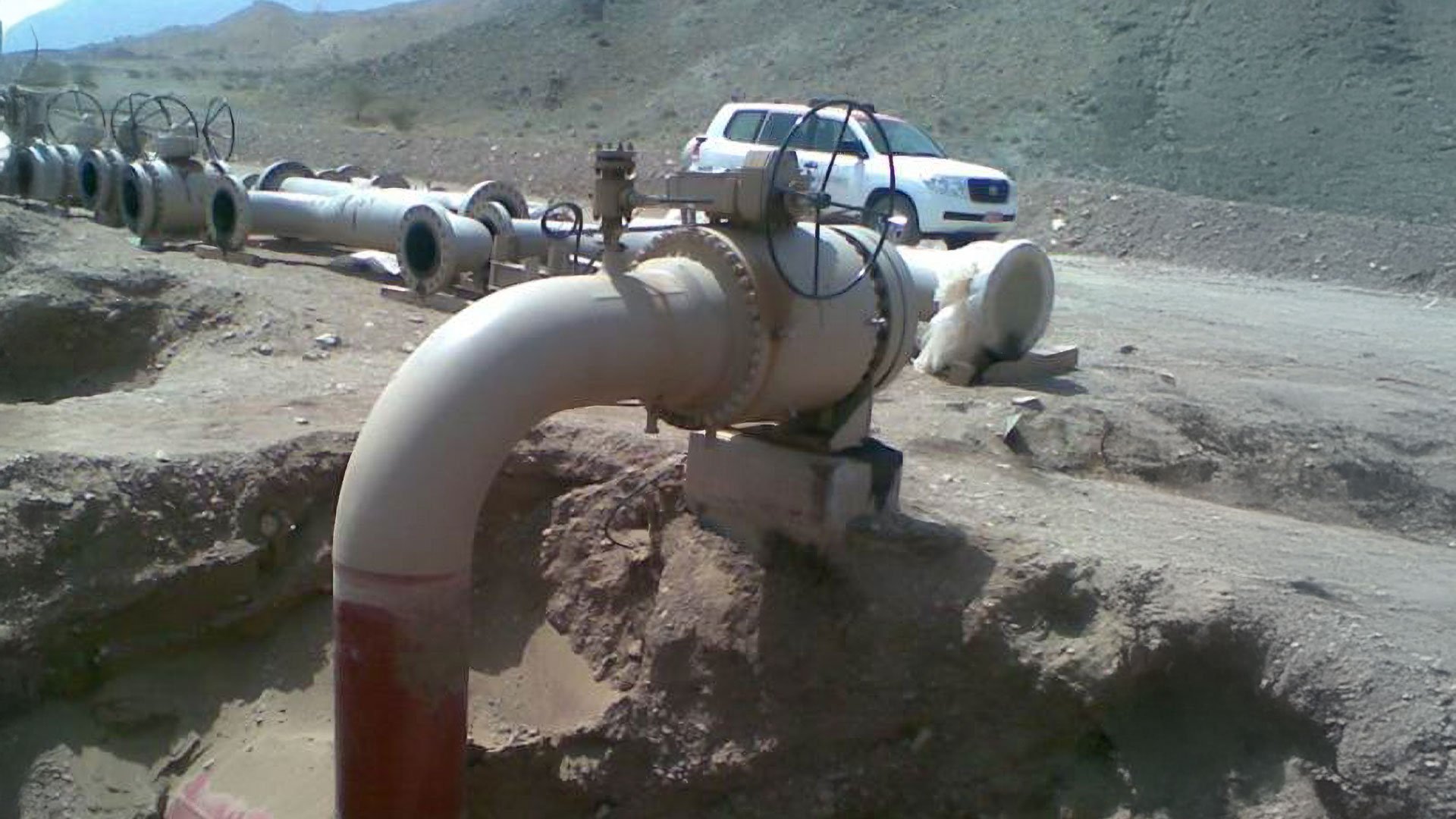
With the Tecno Plug positioned below the corroded bend, crude oil in the bypass section was displaced behind the tool with nitrogen. This cleared the pipework of hydrocarbons and created a safe working environment for the cut-and-remove operation. The bypass pipe was cut below the bend and the corroded section lifted clear.
A weld-neck flange was then welded directly behind the Tecno Plug to form the tie-in point for the new 20” full-bore valve, which would replace the old bypass arrangement with a simpler vertical layout. Non-Destructive Testing (NDT) was completed on each weld before any further work proceeded. Throughout this period, the Tecno Plug remained in position and was continuously monitored.
Once the new ball valve and launcher were rigged, bolted into position, and a service test had proven the integrity of the new flanged joints against the rear of the Tecno Plug, the tool was unset and recovered vertically into the launcher. Equipment was then prepared for transport to the next site. The sequence was repeated in full across all 14 bends and all seven stations.
The Result: 14 Bends Removed, Three Weeks Ahead of Schedule
PDO had estimated the full campaign would require three months of in-field operations. STATS Group, working alongside client staff and specialist contractors, completed all 14 bends across the seven sites three weeks ahead of that target. Production on the main oil line was uninterrupted throughout - no emergency shutdown, no deferred production, no safety incidents.
The project delivered a proven double block and bleed isolation at each bypass during the upgrade work, with close collaboration between STATS and PDO personnel central to the pace and safety of the campaign. It has since become one of a number of high-profile contracts completed by STATS across the Middle East and Gulf States, where demand for production-safe pipeline isolation is growing steadily.