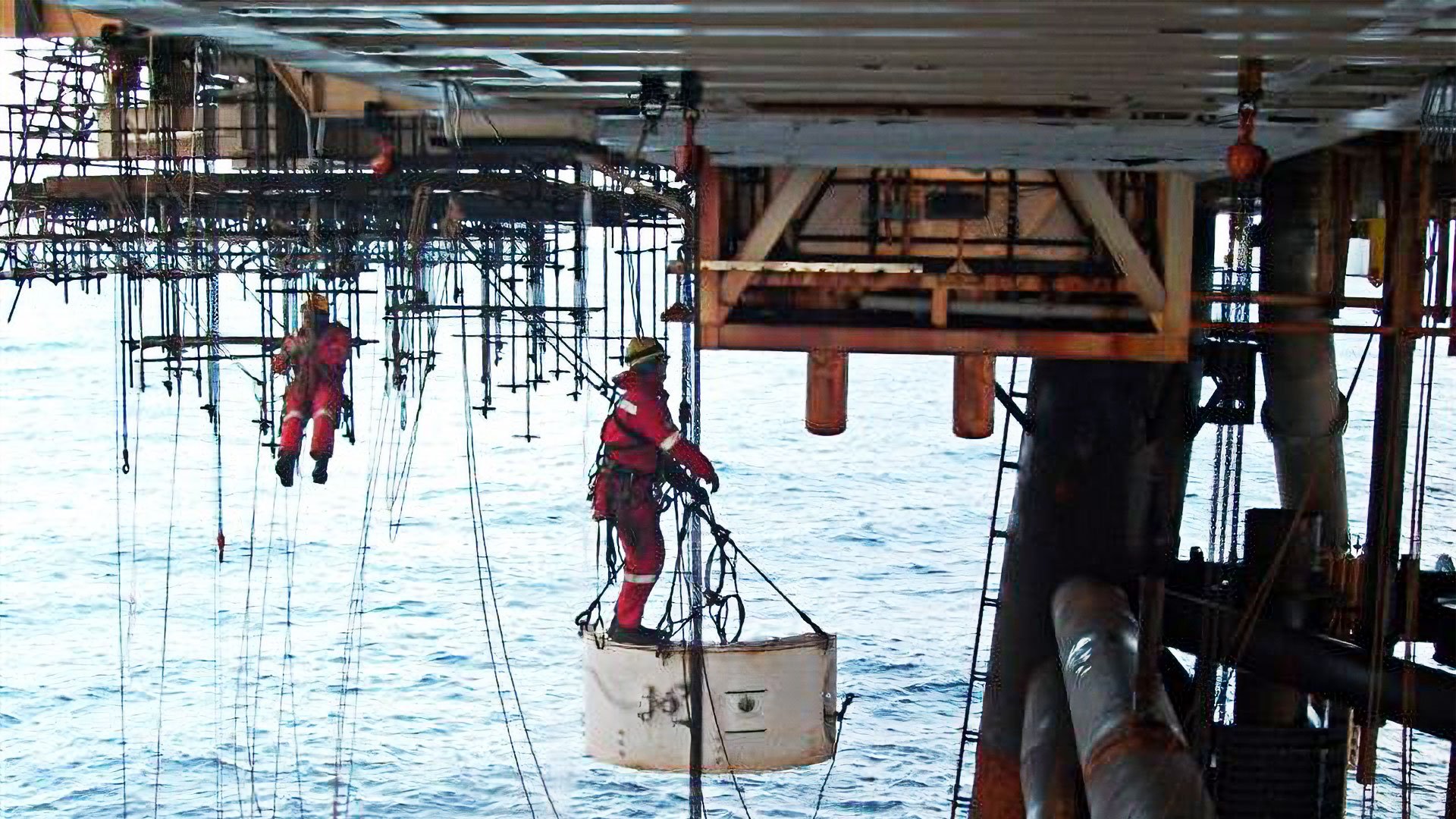
Caisson Securing & Recovery, North Sea, UK

Tool - Caisson Lifting Tools
Location - North Sea - UK

North Sea - UK location on a map
Operating Environment - Offshore Topsides, Offshore Subsea
Pipeline Medium - Produced Water
Activity - Asset Recovery, Maintenance, Engineered Solutions
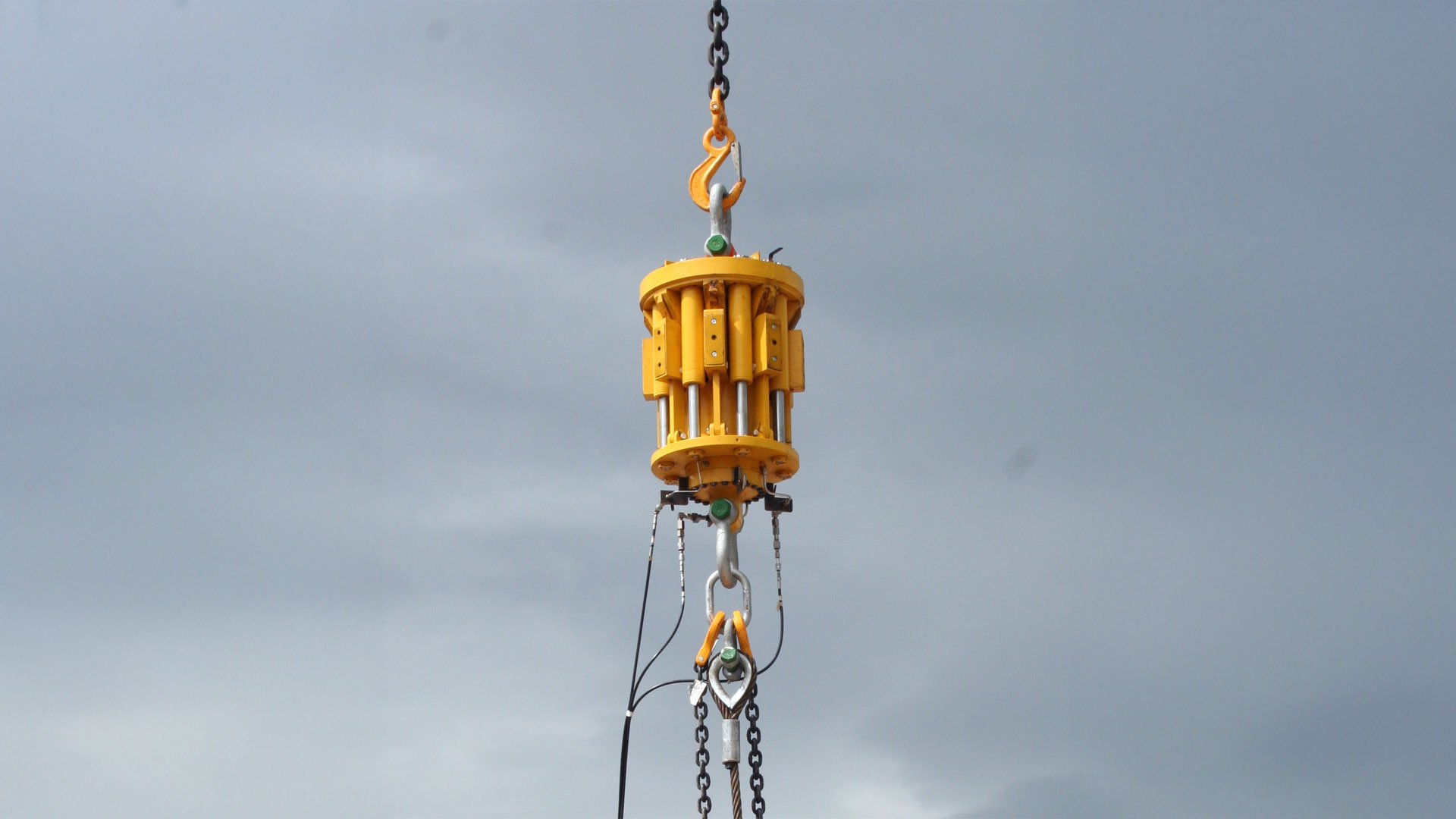
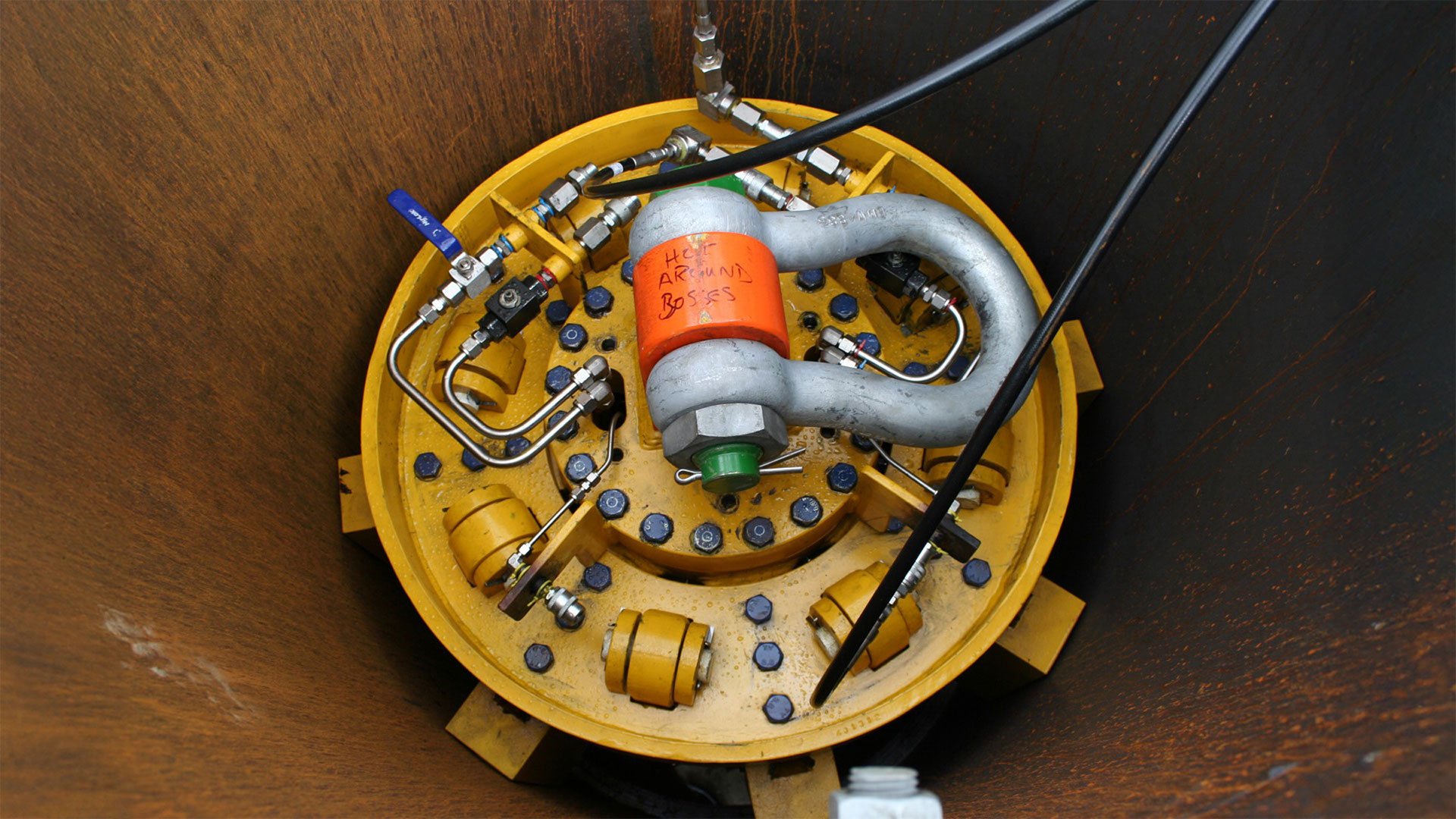
ILT Caisson Destruct

Offshore caissons were built to last decades. But as platforms remain in service beyond their original design life, those decades become a liability. Corrosion, fatigue cracking, and structural deterioration turn routine infrastructure into a live safety risk - one that threatens personnel, subsea assets, and continued production if it is not managed carefully and on the operator's terms.

STATS Group has developed a proven approach to caisson securing and recovery, deploying proprietary Internal Lifting Tools (ILT) and External Lifting Tools (ELT) to control, stabilise, and remove damaged or redundant caissons from North Sea platforms - all without forcing a production shutdown.

The Risk When Caissons Reach the End of Their Service Life

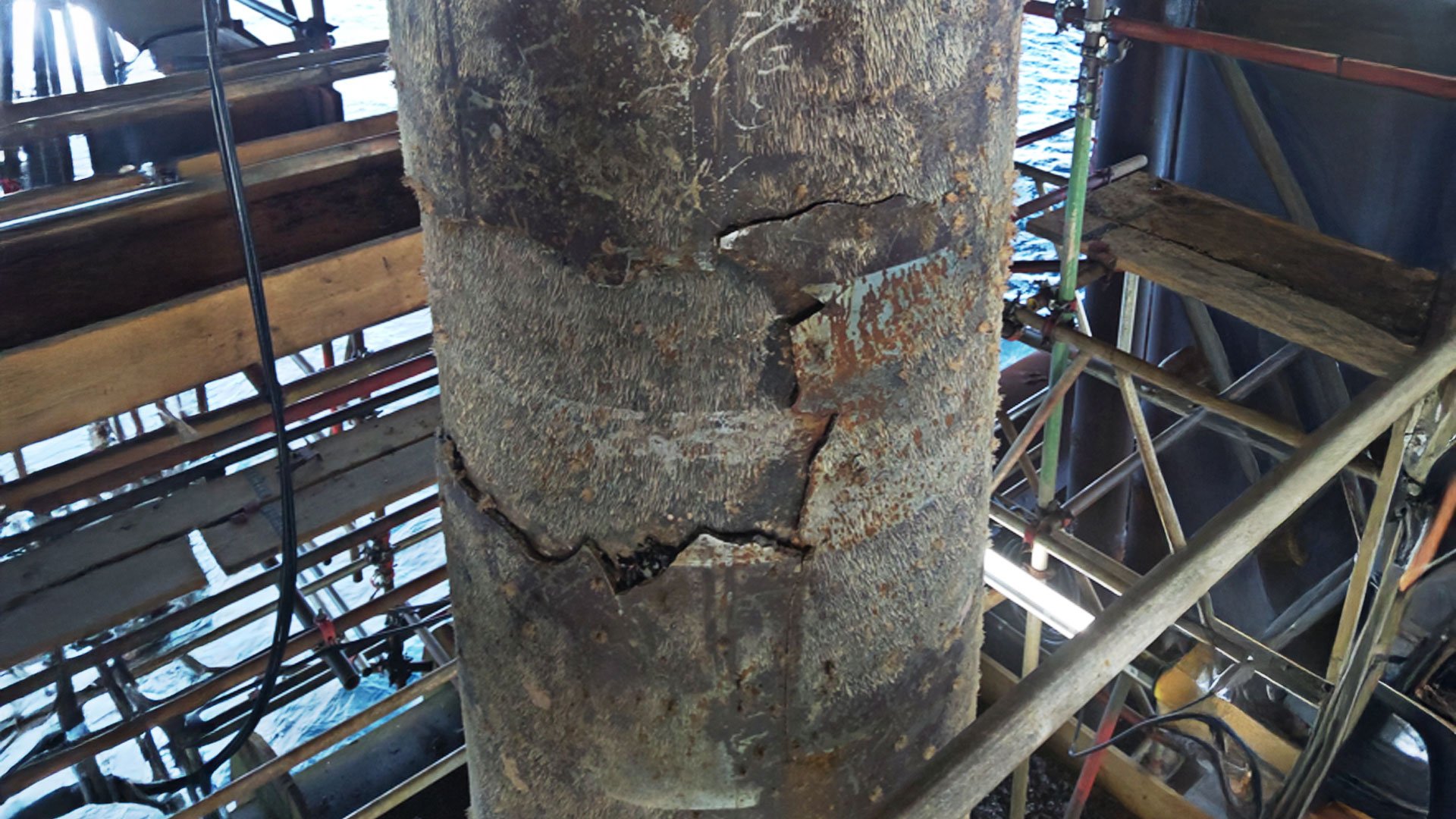
As assets age beyond their planned operational lifespan, caissons face relentless environmental stress. The combination of severe external and internal corrosion, cyclic loading from North Sea conditions, and the structural fatigue that accumulates over decades leads inevitably to cracking and eventual failure. Once a caisson becomes partially or fully detached, the consequences are serious: it can impact vulnerable subsea pipelines and equipment on the way down, damage platform structures, and trigger emergency shutdowns that operators can ill afford.

The challenge is that there is rarely a convenient time to intervene. Production schedules, limited weather windows, and restricted platform access mean that any solution must be executable without forcing a facility shutdown. That is precisely the problem STATS has engineered its lifting tools to solve.

Highlights

  • Corrosion and fatigue cracking are inevitable in caissons operating beyond their design life
  • Detached or falling caissons risk damaging subsea pipelines, equipment, and platform structures
  • STATS ILT and ELT tools allow controlled caisson securing and removal without production shutdown
  • Tools designed and tested to the DNV Standard for Certification of Lifting Appliances
  • The ILT twin-module design bridges damaged sections to prevent separation during recovery
  • ELT fail-safe taper-lock design maintains grip independently of hydraulic pressure
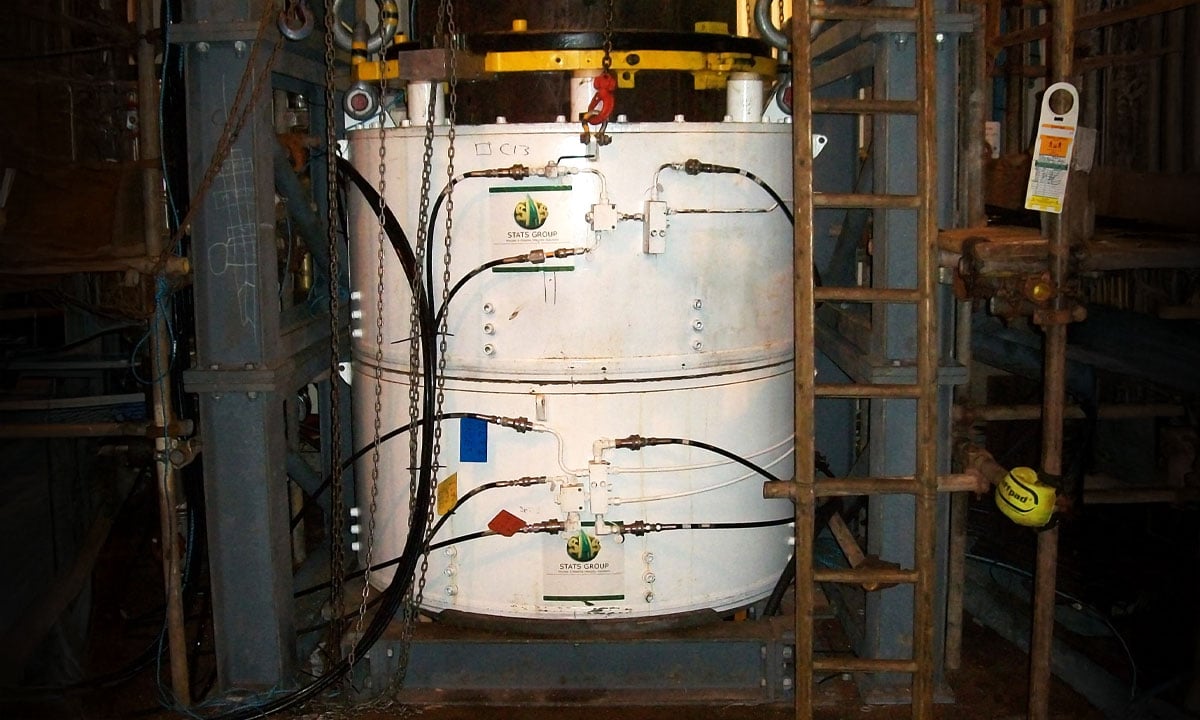
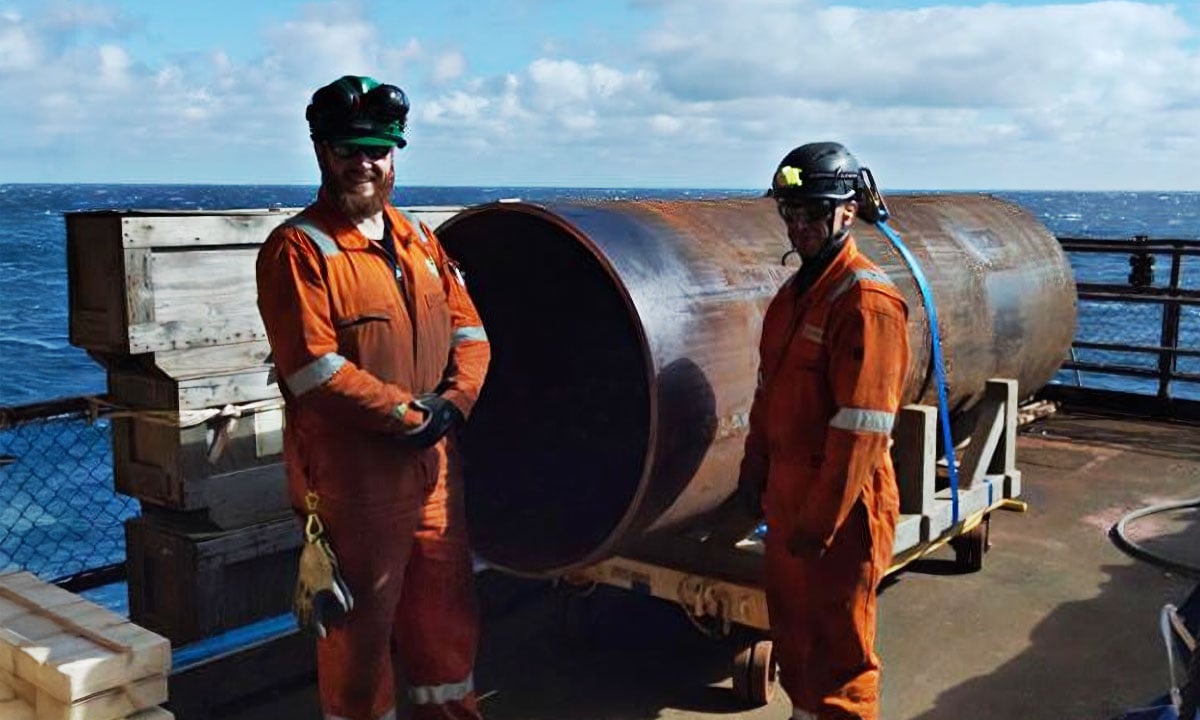
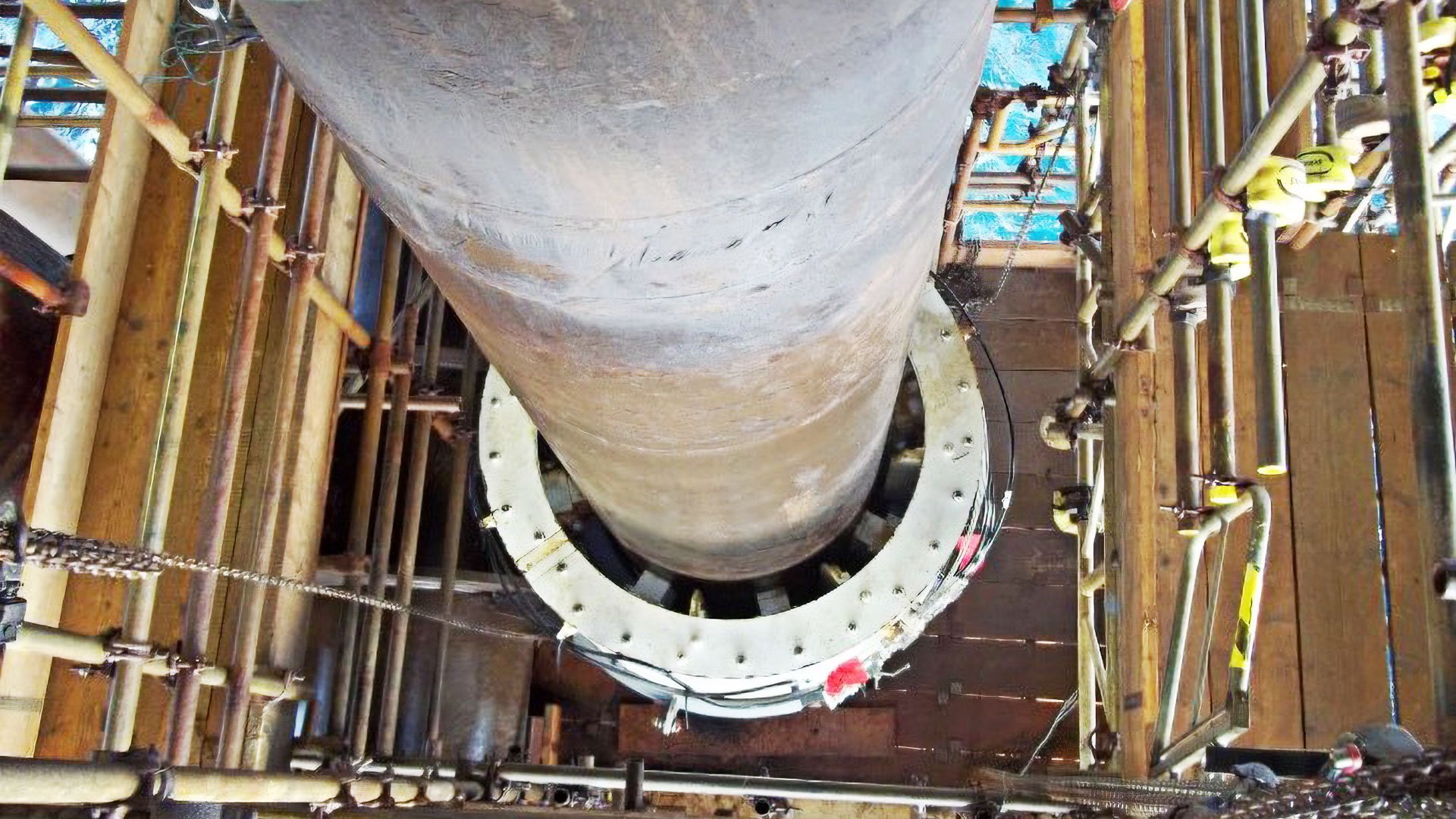
ELT Caisson Removal STATS team caisson recovery

The STATS Approach: ILT and ELT Tools Built for the North Sea's Toughest Access Conditions

STATS' Internal Lifting Tools (ILT) and External Lifting Tools (ELT) are purpose-engineered for caisson recovery on offshore platforms where access is restricted, lead times are tight, and the stakes are high.

External Lifting Tool (ELT)

The ELT is designed for situations where internal access is compromised - by pump strings, installed liners, or prior repairs. Its split-section design allows each half to be installed independently, even in areas where overhead height or lateral clearance is severely restricted. Once positioned, eight hydraulic gripping locks clamp against the external caisson wall. Two independently actuated hydraulic circuits provide a critical contingency: if one circuit is compromised, the remaining four locks hold their position and the tool continues to carry its full 55-tonne design load. The taper-lock mechanism is fail-safe by design - once pre-tension is applied, the tool holds without any reliance on continued hydraulic pressure.

ILT caisson recovery damage

Internal Lifting Tool (ILT)

The ILT uses a twin-module design, with each module independently controlled, to bridge damaged or weakened sections of caisson and prevent separation during the recovery operation. When unset, the ILT offers generous bore clearance, allowing it to pass through swaged liners and other bore restrictions to reach the required deployment depth. Where there is a risk of the caisson separating during extraction, pigging discs and hydraulically activated centralising panels can be added to keep it aligned and guide it safely through support structures.

The modular design of the ILT also allows the distance between lock modules to be customised simply by adding linking rods - meaning the tool can be configured to the exact specification of each caisson without bespoke fabrication.

Three North Sea Projects. Three Controlled Recoveries.

STATS' ILT and ELT tools have been deployed across multiple North Sea caisson recovery programmes, each presenting its own access constraints, structural complexities, and operational timescales.

ILT caisson recovery damage

Project 1: Twin 42" Caissons, 90 Metres Each - Bridging Bore Restrictions

Both 42" caissons were badly damaged and had previously been repaired with swaged liners, which presented a bore restriction that ruled out straightforward internal access. STATS deployed an ILT with sufficient clearance to pass through the liner restrictions and bridge the most vulnerable sections of each caisson, maintaining structural integrity throughout the recovery. Two ELTs were used simultaneously to lift each caisson in stages, cutting it into manageable sections until the full caisson had been recovered to the platform. The same method was then applied to the second caisson.

Project 2: 24" Fire Water Pump Caisson - Delivered Against a Tight Deadline

An engineering contractor approached STATS to recover and replace a 20-metre fire water pump caisson before the onset of winter. The operator was concerned that worsening North Sea conditions would cause the caisson to become fully detached from the platform. Despite a short lead time, STATS engineered an ILT to the client's exact specification, completed a full factory acceptance test, and mobilised offshore. The ILT was installed to straddle the damaged section, securing the caisson in position and preventing detachment throughout the recovery operation.

ILT caisson destruct lift

Project 3: 41" Caisson After 20+ Years in Service - Combined ILT and ELT Recovery

Following extensive internal and external repairs spanning more than two decades, a 41" caisson was finally scheduled for removal. The risk of the caisson severing and falling during recovery demanded a combined approach: an ILT bridged the most weakened sections, while ELTs secured and controlled the caisson throughout extraction. STATS also supplied clamshell cutting machines to section the caisson into manageable lengths during removal. Once the old caisson was recovered, the ELTs were redeployed to assist with installation of the replacement - mechanically attaching and lowering each new section safely into position.

STATS team working on ELT caisson Removal

DNV-Certified. Factory Tested. Proven Before It Leaves the Yard.

Before any ILT or ELT is mobilised offshore, it undergoes a client or third-party witnessed Factory Acceptance Test (FAT). The FAT confirms the full functionality, serviceability, structural integrity, and safe working load of the tool under controlled conditions - removing uncertainty before the crew ever reaches the platform.

All STATS mechanical lifting tools are designed in accordance with the DNV Standard for Certification of Lifting Appliances, the internationally recognised benchmark for offshore lifting equipment. Operators can mobilise with confidence that every tool has been independently verified to perform at its rated capacity.

A Proven Track Record in Caisson Recovery - Without Compromise

With multiple successful caisson recoveries across the North Sea - and a toolkit engineered for the most demanding access constraints, the tightest deadlines, and the harshest offshore conditions - STATS Group is the partner operators trust when caisson risk cannot wait. Every project delivered with zero incidents, production maintained throughout, and tools proven to DNV certification standard before a single bolt is tightened offshore

Tell us about your requirements